She Refused to Be Pretty: The Untamed Legacy of Gia Carangi
She didn't walk into fashion. She kicked the door off its hinges, lit a match, and made the world watch her burn bright.
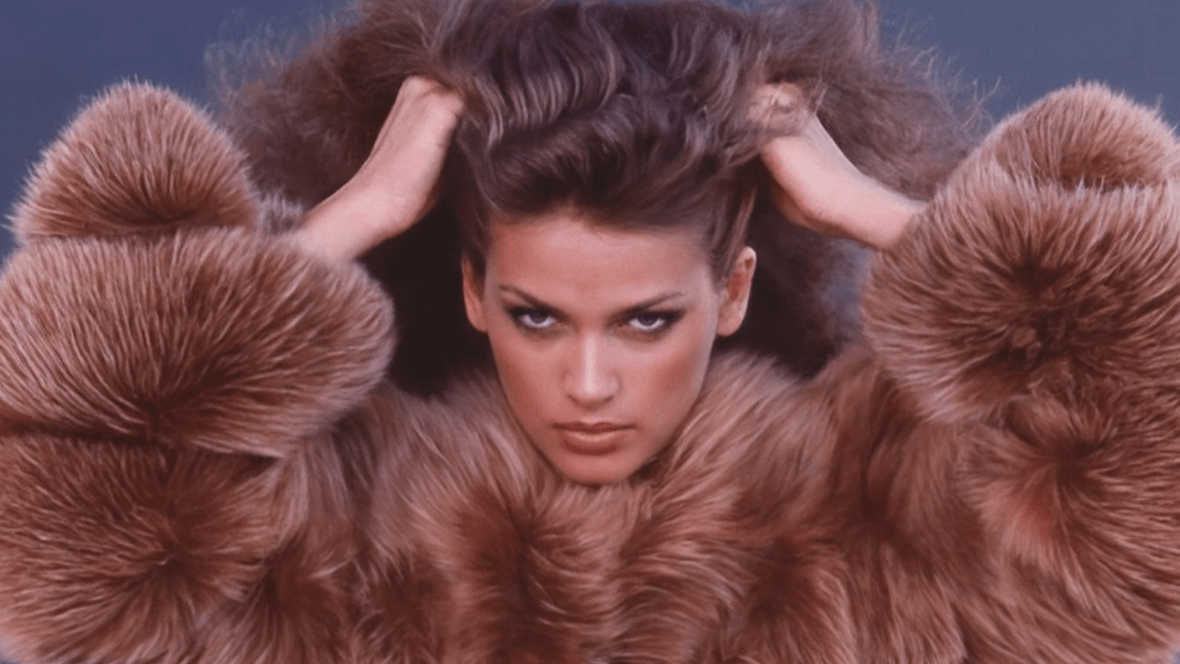
Forget everything you think you know about supermodels. Before Instagram filters. Before "authenticity" became a brand strategy. Before being "real" was marketable, there was Gia. And she was the most dangerous woman in fashion.
A Firestarter in the Age of Glamour
It was 1978 Harper's Bazaar. A seventeen-year-old from Philadelphia storms onto set, tosses her legs up on the makeup table, lights a cigarette, and slides on punk sunglasses. The makeup artist thinks: She's trouble. She was right.

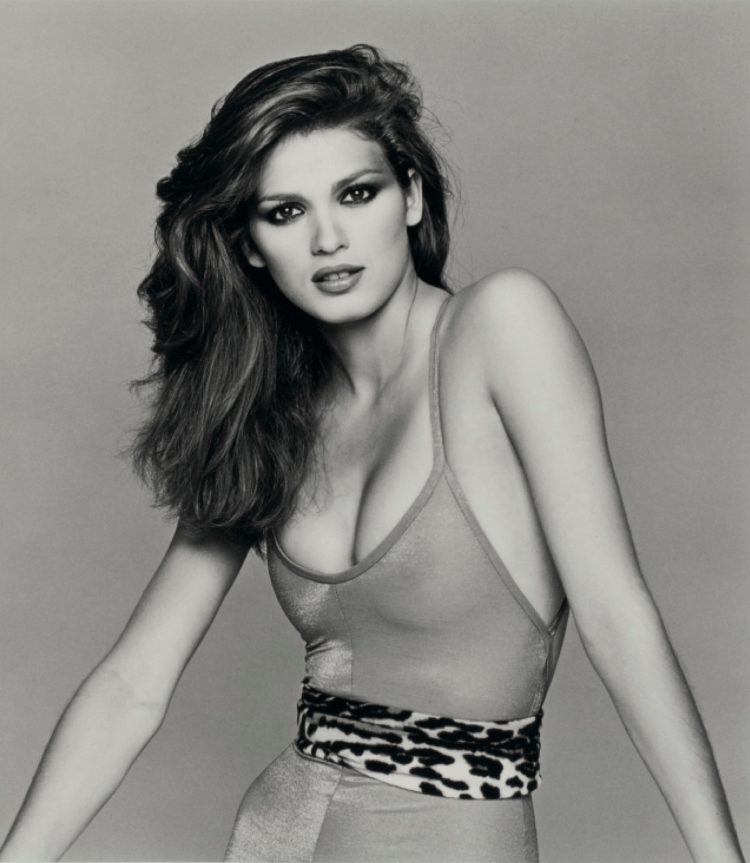
Gia Carangi photographed by Maurice Tannenbaum, 1978
Gia Marie Carangi wasn't just trouble; she was revolution. With olive skin, dark hair, and a gaze that dared you to look away, she shattered the cookie-cutter mold of blonde perfection. She was androgynous in an industry still clinging to femininity in pearls and pastels. Within months, she was known by just one name, Gia. Vogue. Dior. Versace. $500,000-a-year campaigns. She had arrived. But Gia didn't play the part the way they wanted her to.
The Revolution Begins
While others posed pretty, Gia was pure presence. During a shoot with photographer Chris von Wangenheim, Gia made a choice that would become legendary. Mid-shoot, she dropped her dress and exposed her breast. No hesitation. No permission asked. This was her decision, her body, her terms.
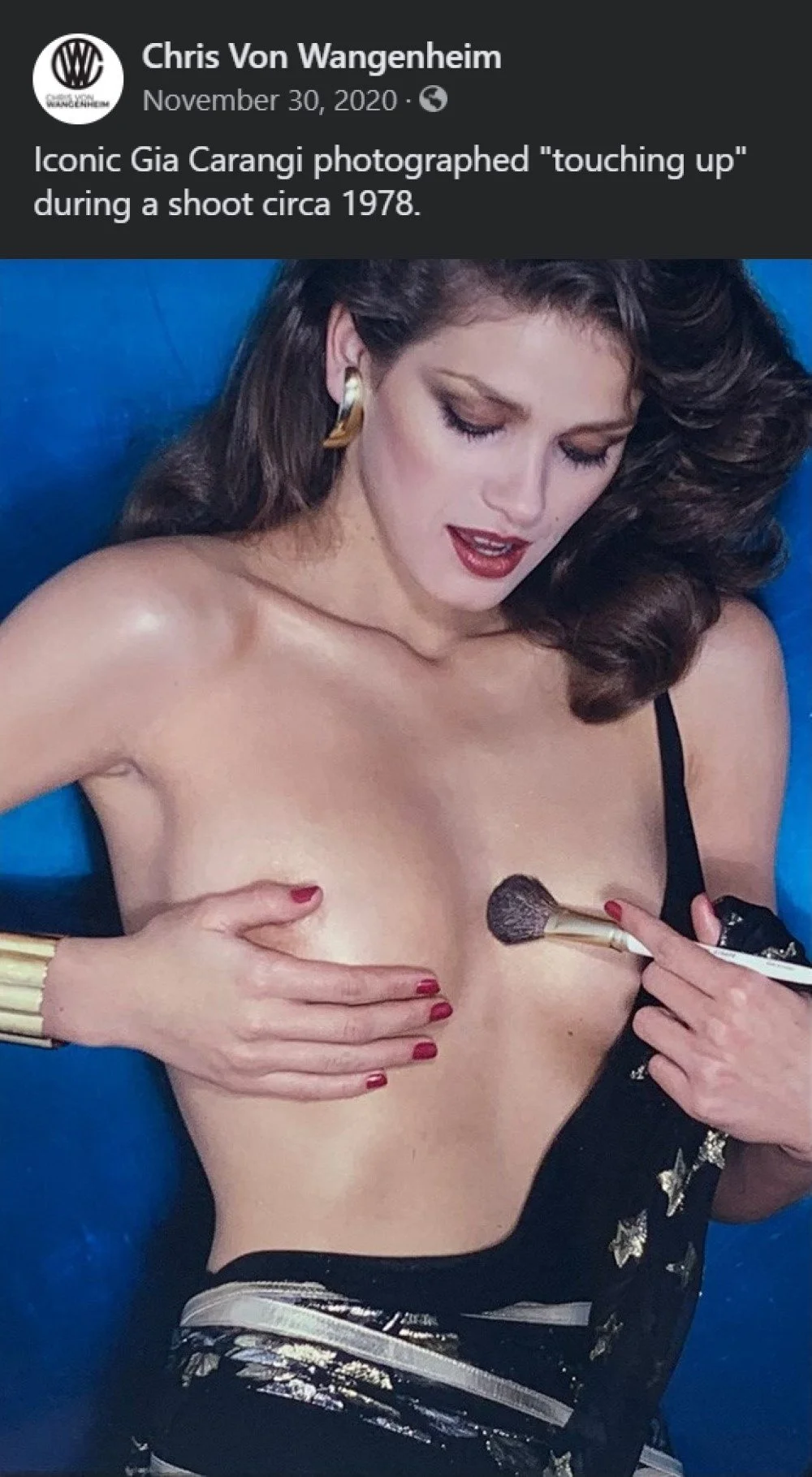
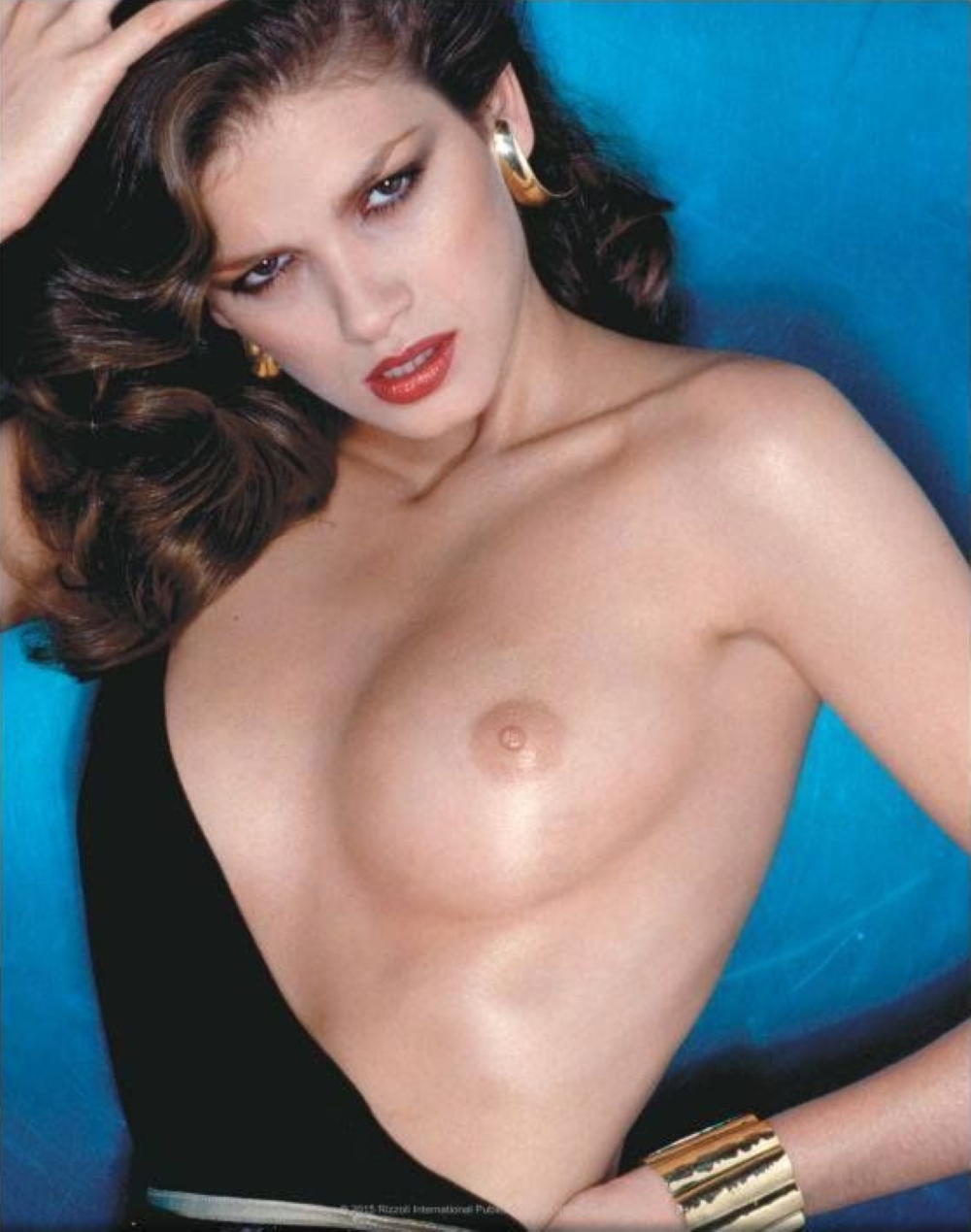
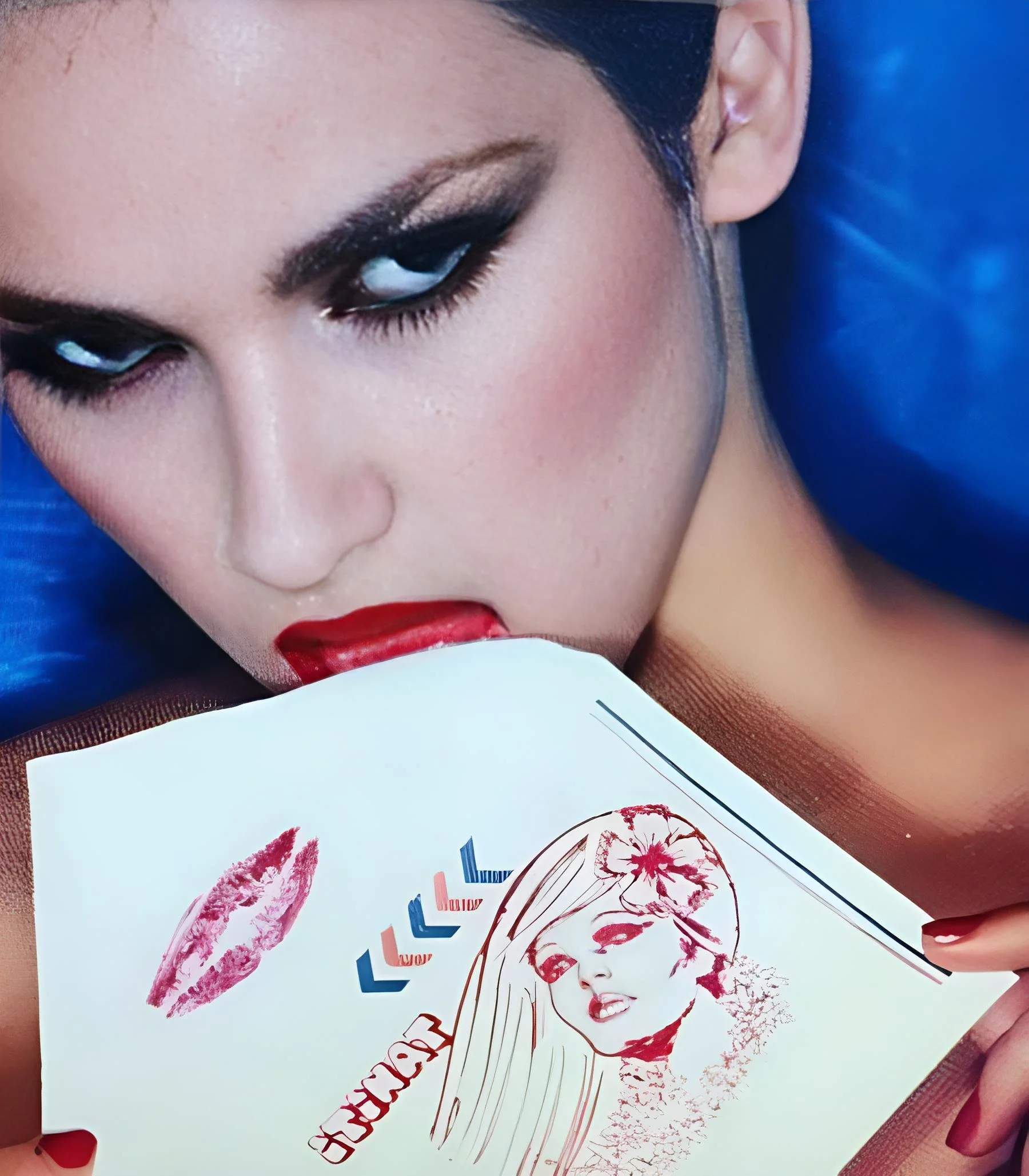

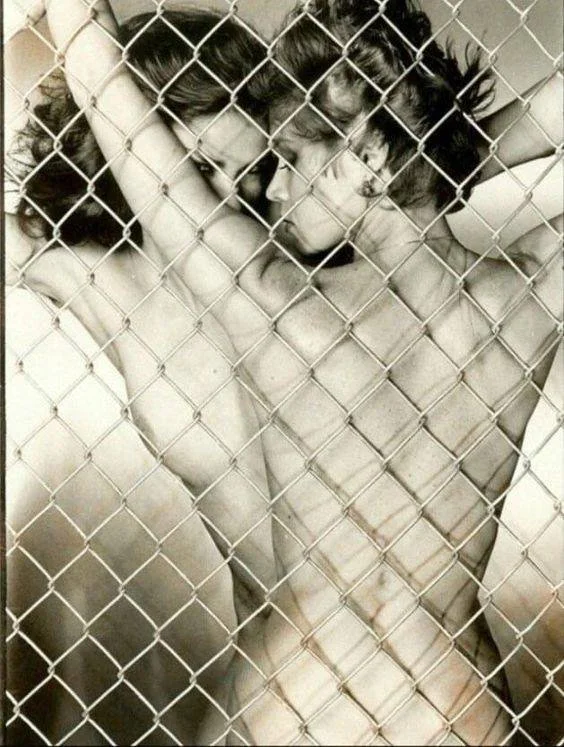
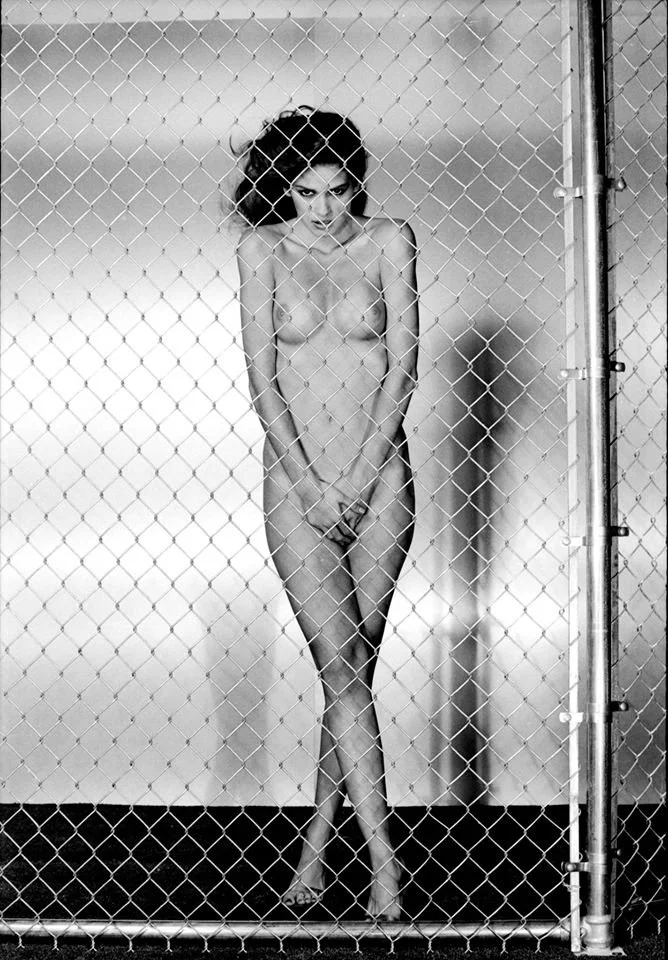
The photograph was published, sending shockwaves through an industry built on control. American fashion magazines rarely featured nudity, and models certainly didn't make those choices themselves. But Gia did. She wasn't just modeling clothes she was modeling freedom, claiming her body as her own in an industry that treated women's bodies as corporate property.
This was 1978. American magazines didn't do nudity. Models didn't make those choices.
Gia did. Because Gia always went for the gusto.
Love Without Apology
In an era when being openly gay could destroy your career, even in fashion, Gia loved women without flinching. She wasn't out for attention; she was out for truth, leather jackets over silk gowns. Feminine grace fused with masculine swagger. She didn't conform to anyone's version of queerness; she defined her own.
Her love for makeup artist Sandy Linter began with a phone call and a red car. It was tender, absolute, complicated.
"It was never a torrid sexual affair," Sandy later said. "But we did love each other. This never happened again with a woman in my lifetime."
That was Gia undefinable. A woman who refused to reduce herself for anyone's comfort. Her love wasn't for headlines. It was for her.
Too Wild to Contain
But you couldn't tame a hurricane. Her mother, her lovers, her agents, all tried to hold on, but she was a force of nature, a whirlwind of passion and pain that refused to be contained.
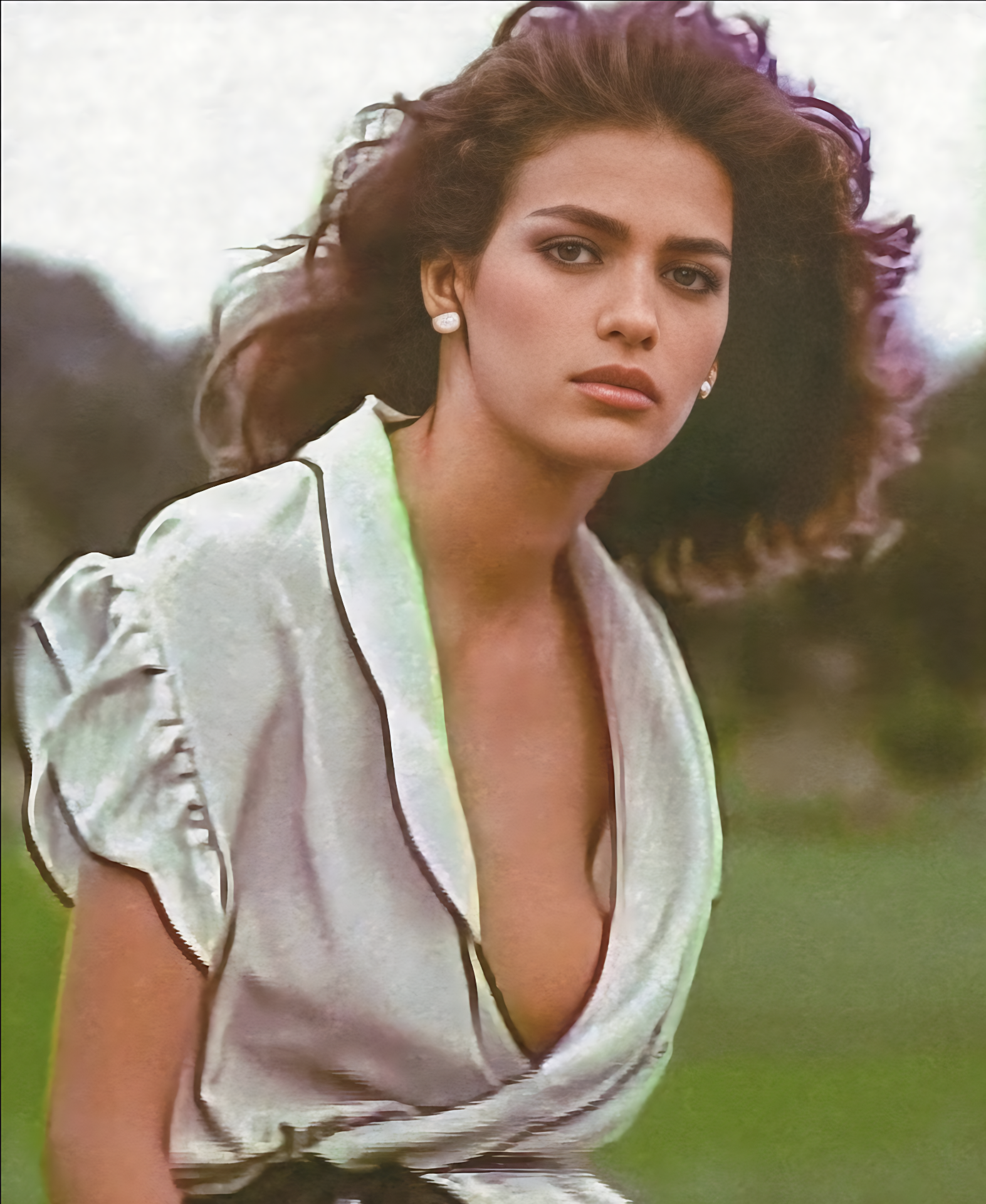
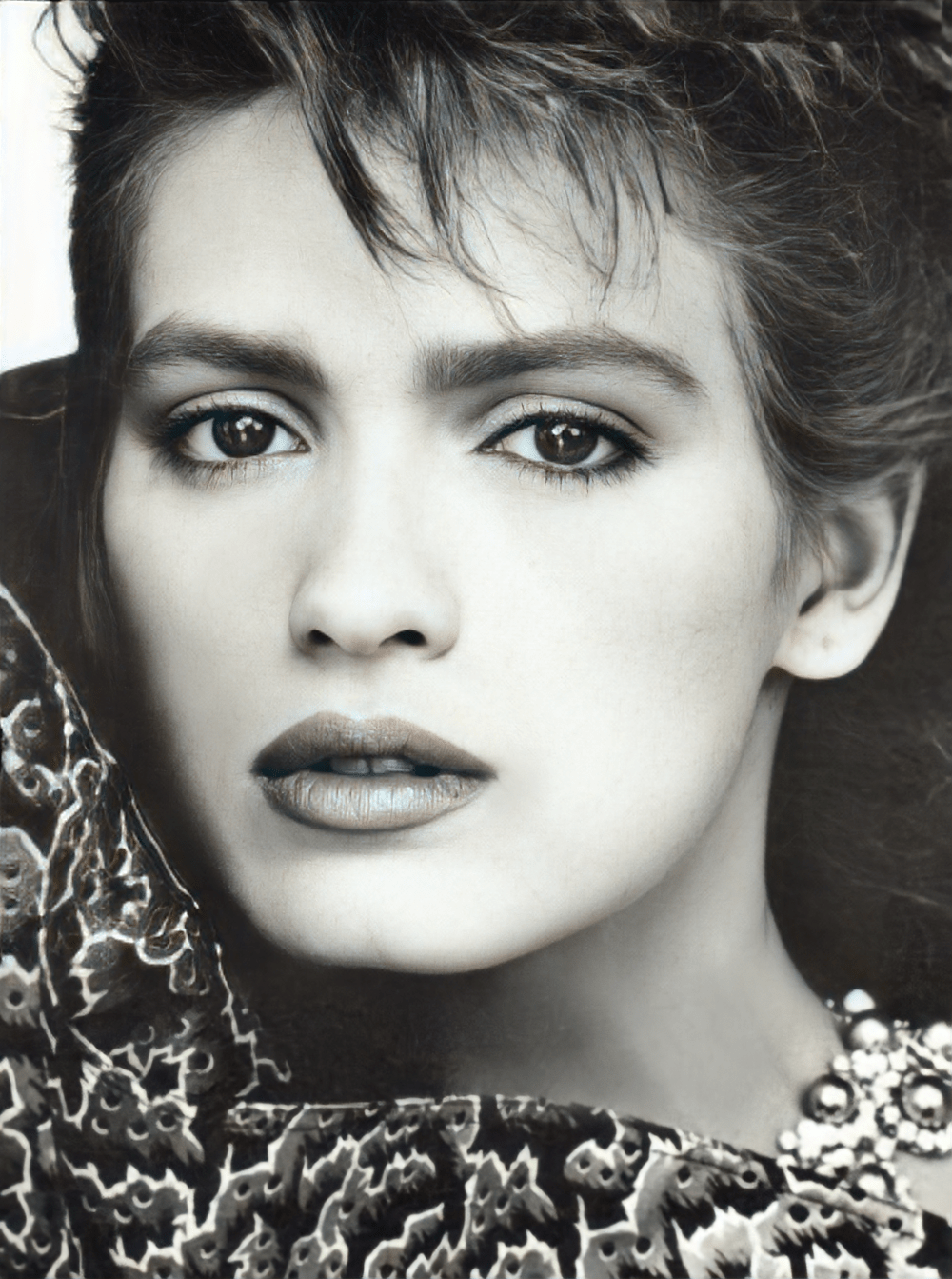
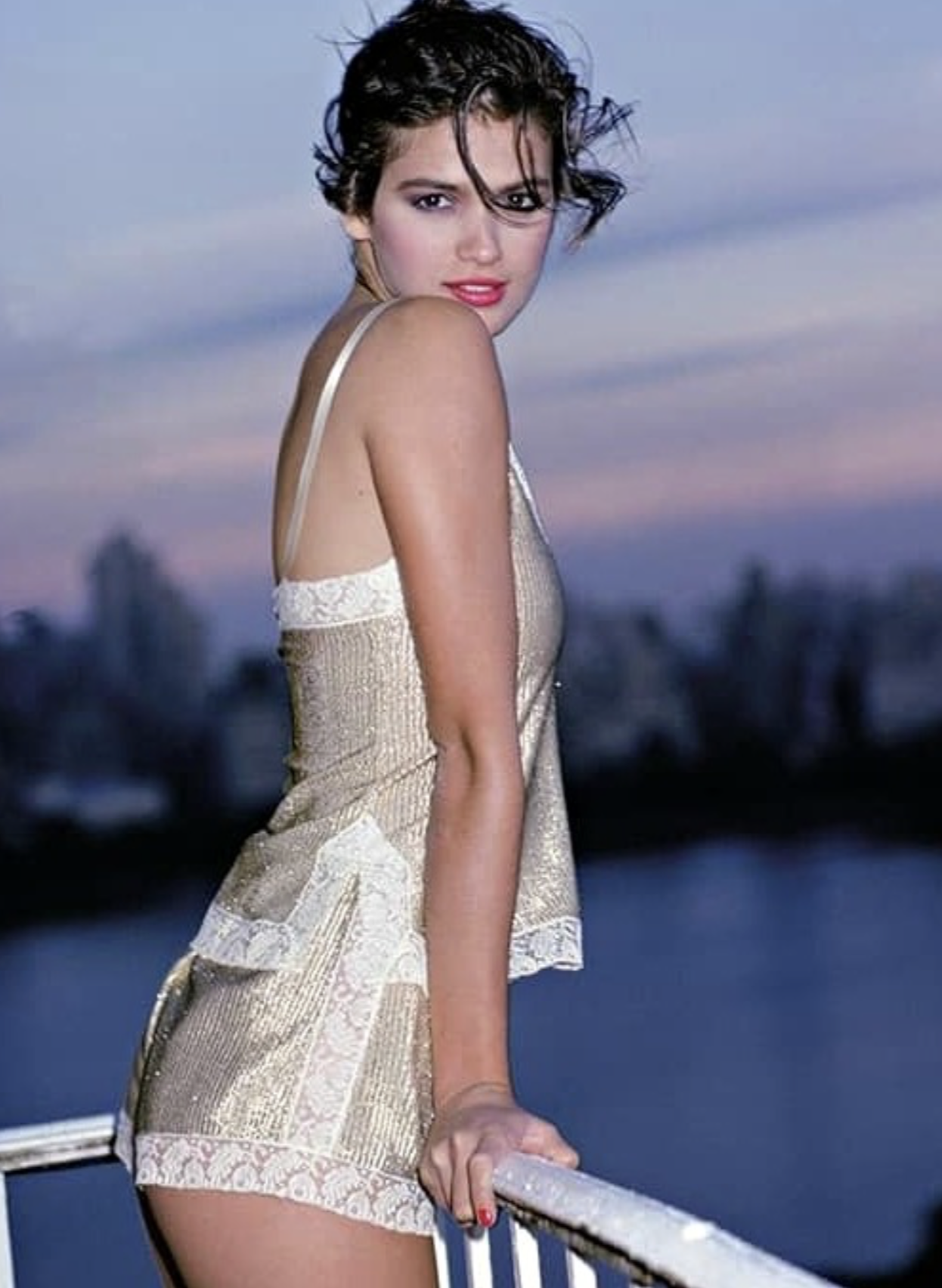
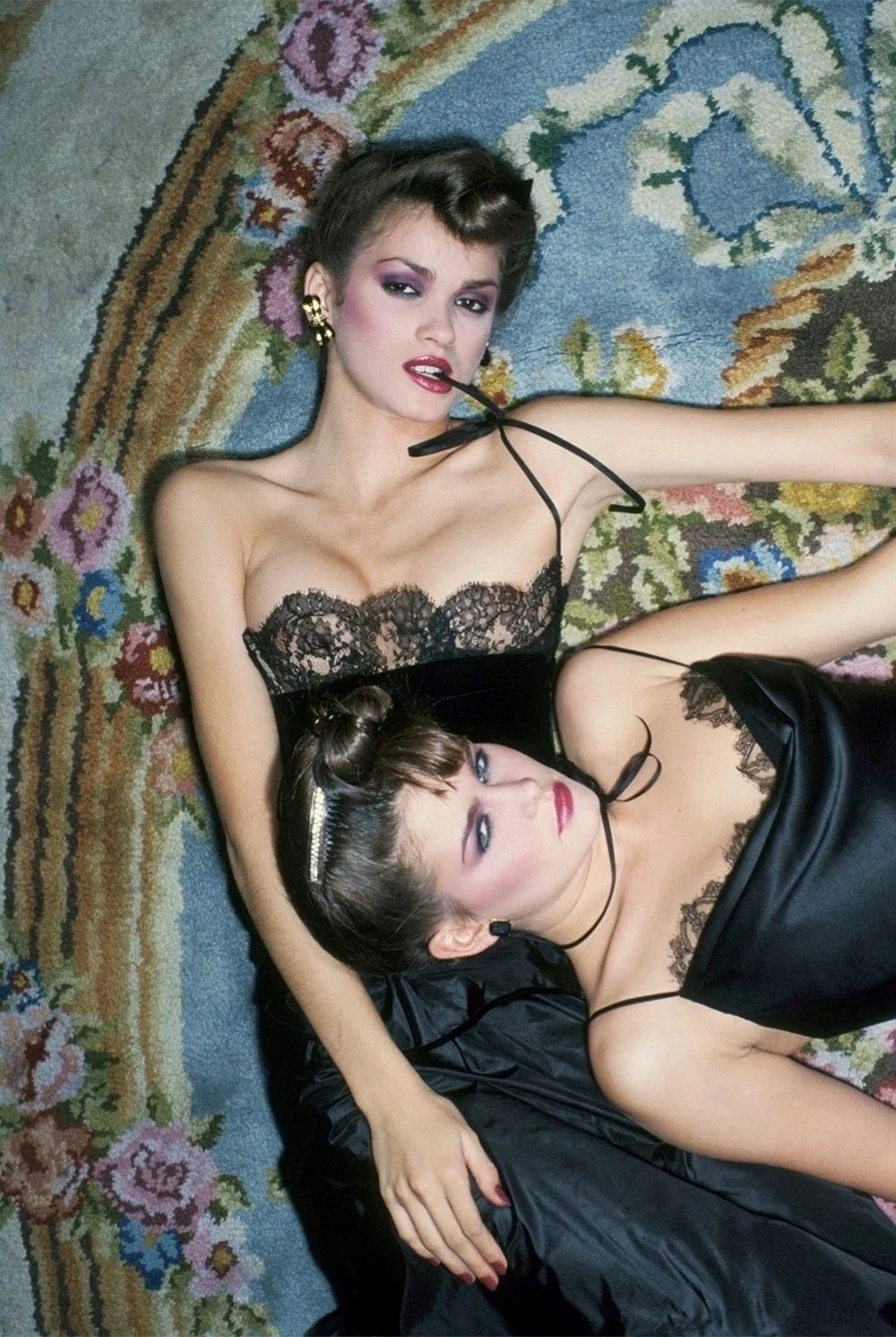
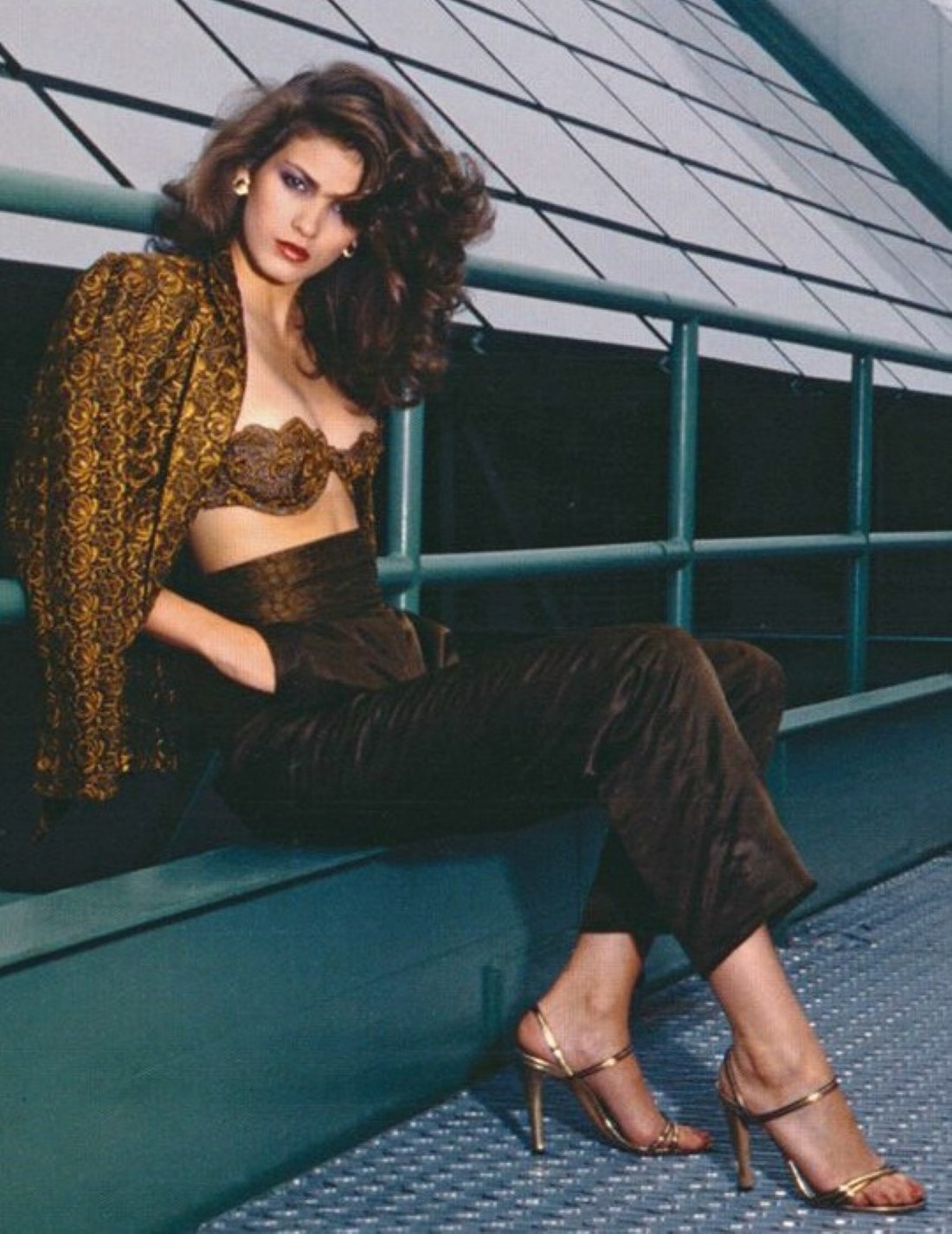
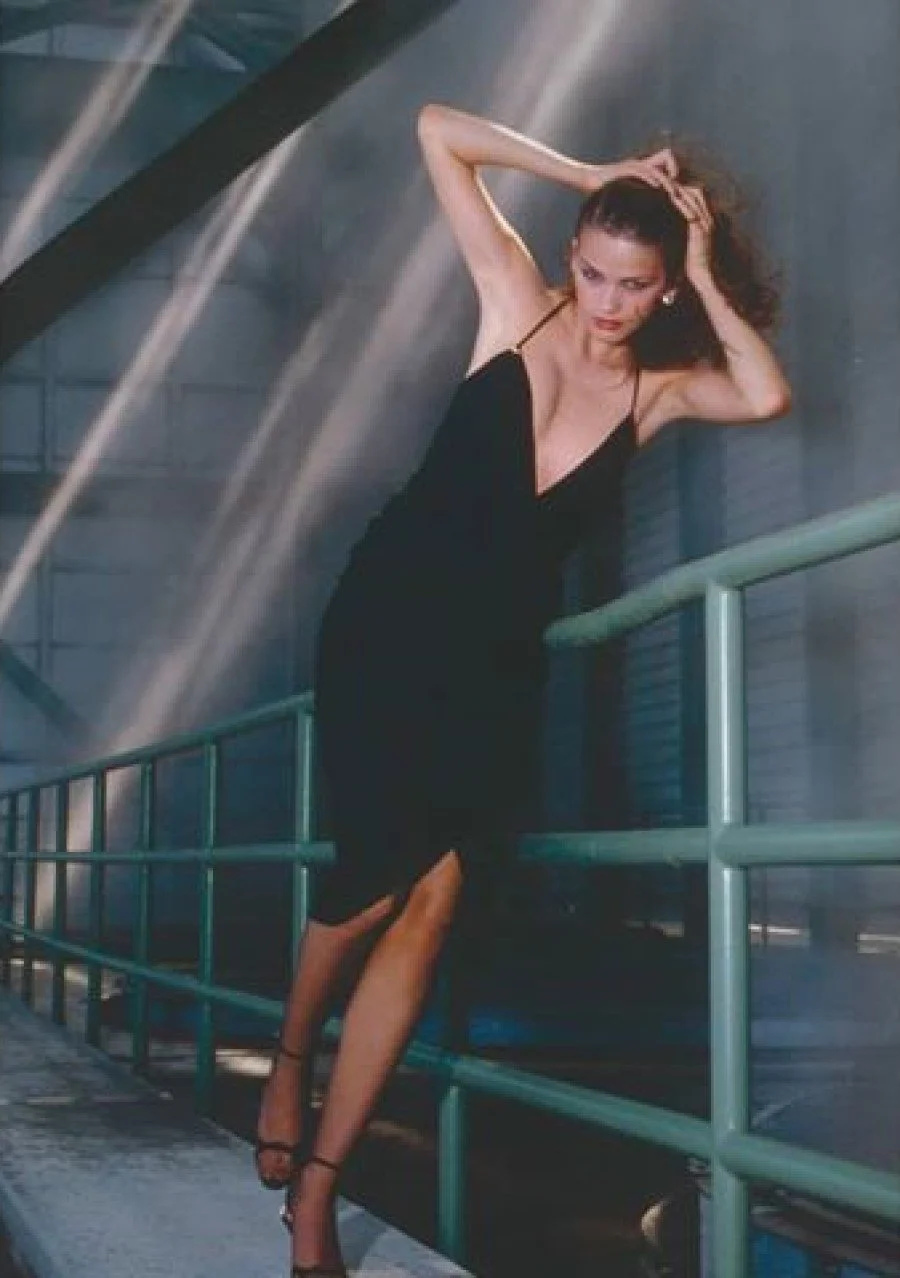
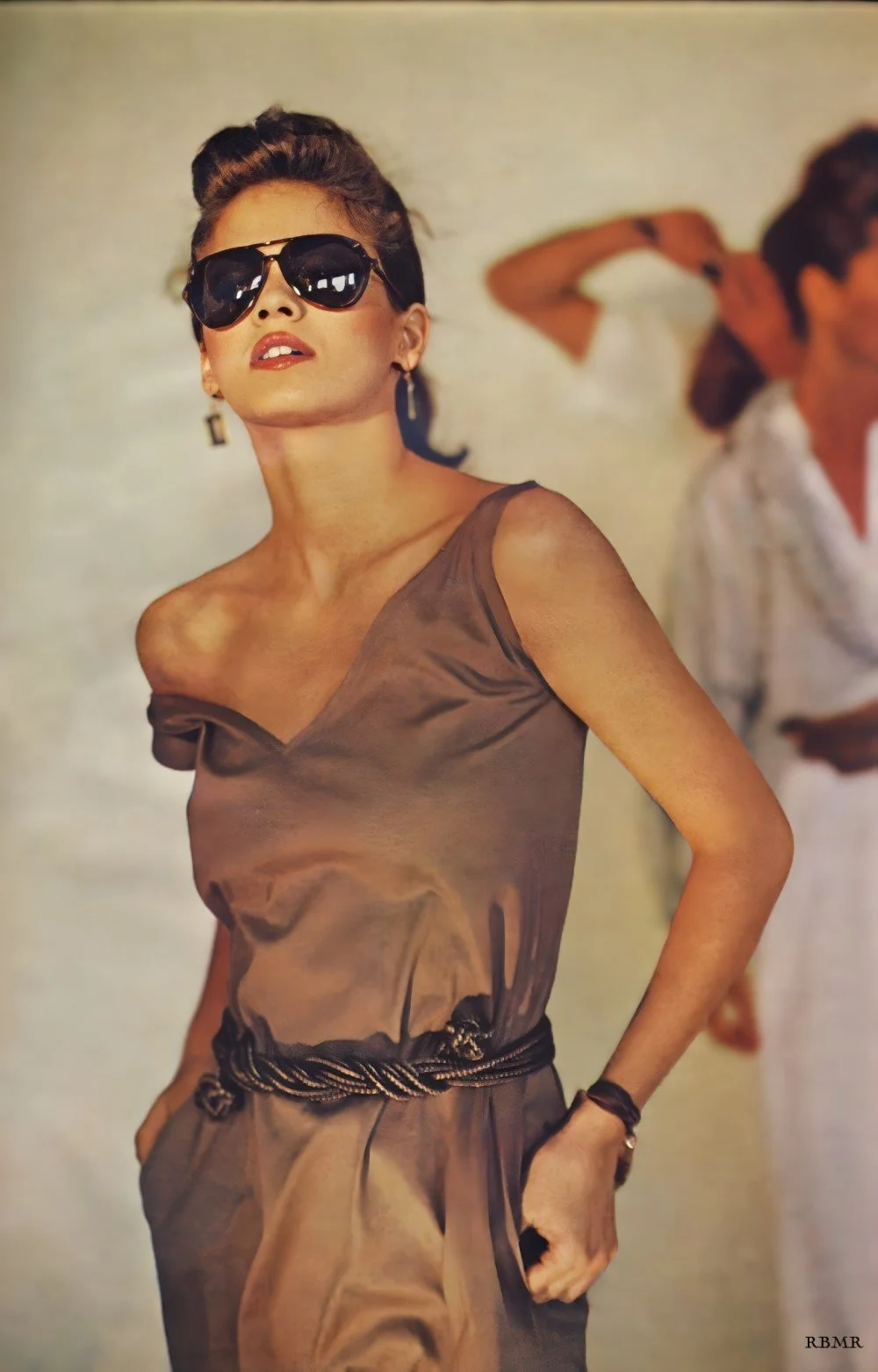

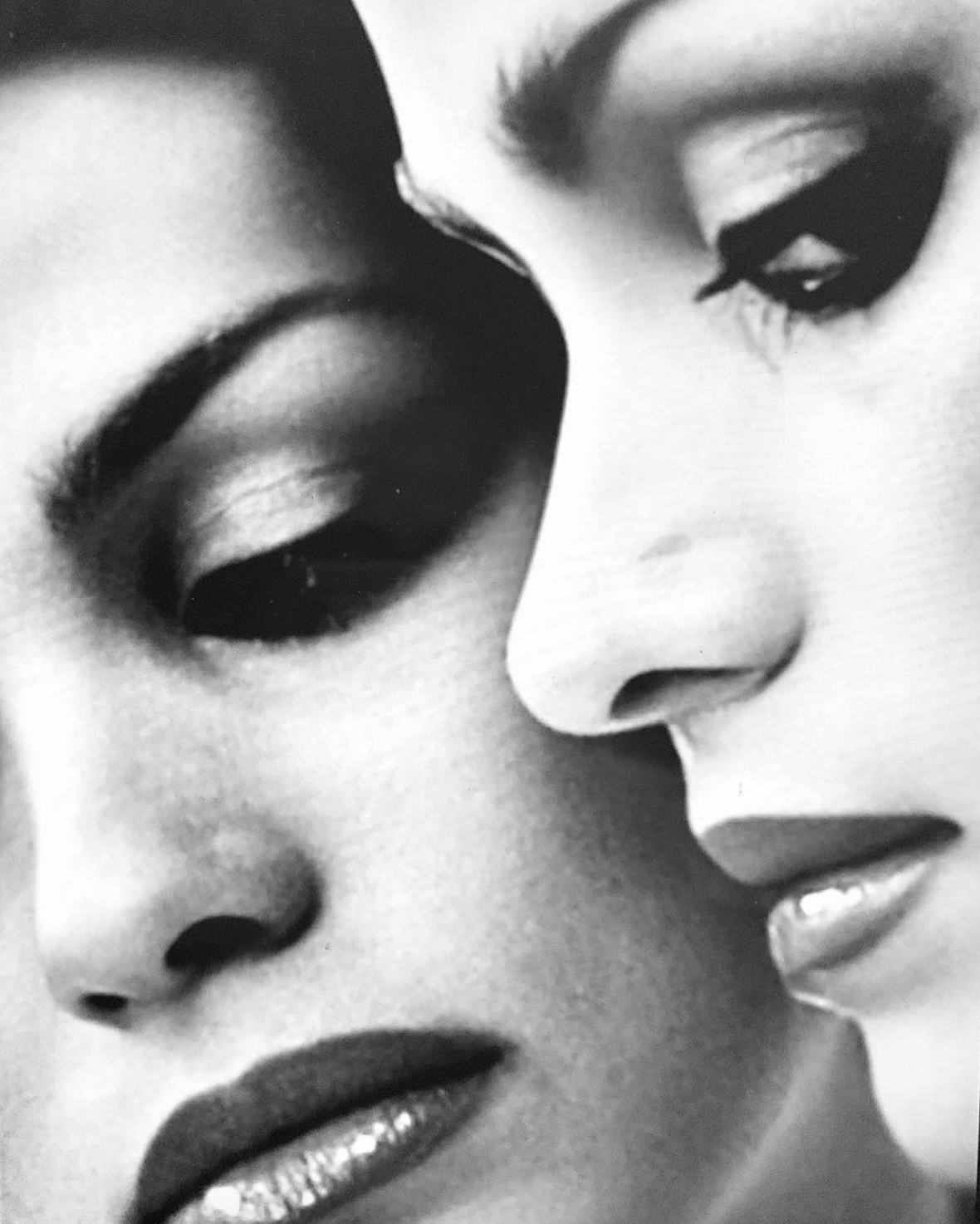

The industry gave her fame and money, but it never provided what she truly craved: a safe harbor. Because when you're that beautiful, people forget you're still a child, a child who didn't know how to be alone, a child who just wanted to be loved.
When Truth Becomes Inconvenient
The death of her agent and mentor, Wilhelmina Cooper, was the blow that shattered her already fragile foundation. "I cry every day for a little while," she wrote in her journal. "I wish Wilhelmina hadn't died. She was so wonderful to talk to. I don't know what is happening in my life."
The spiral began. Late nights turned into missed shoots. Whispers of drug use became a roar. The industry that had built her up began to turn its back on her.
Authenticity is beautiful until it becomes inconvenient.
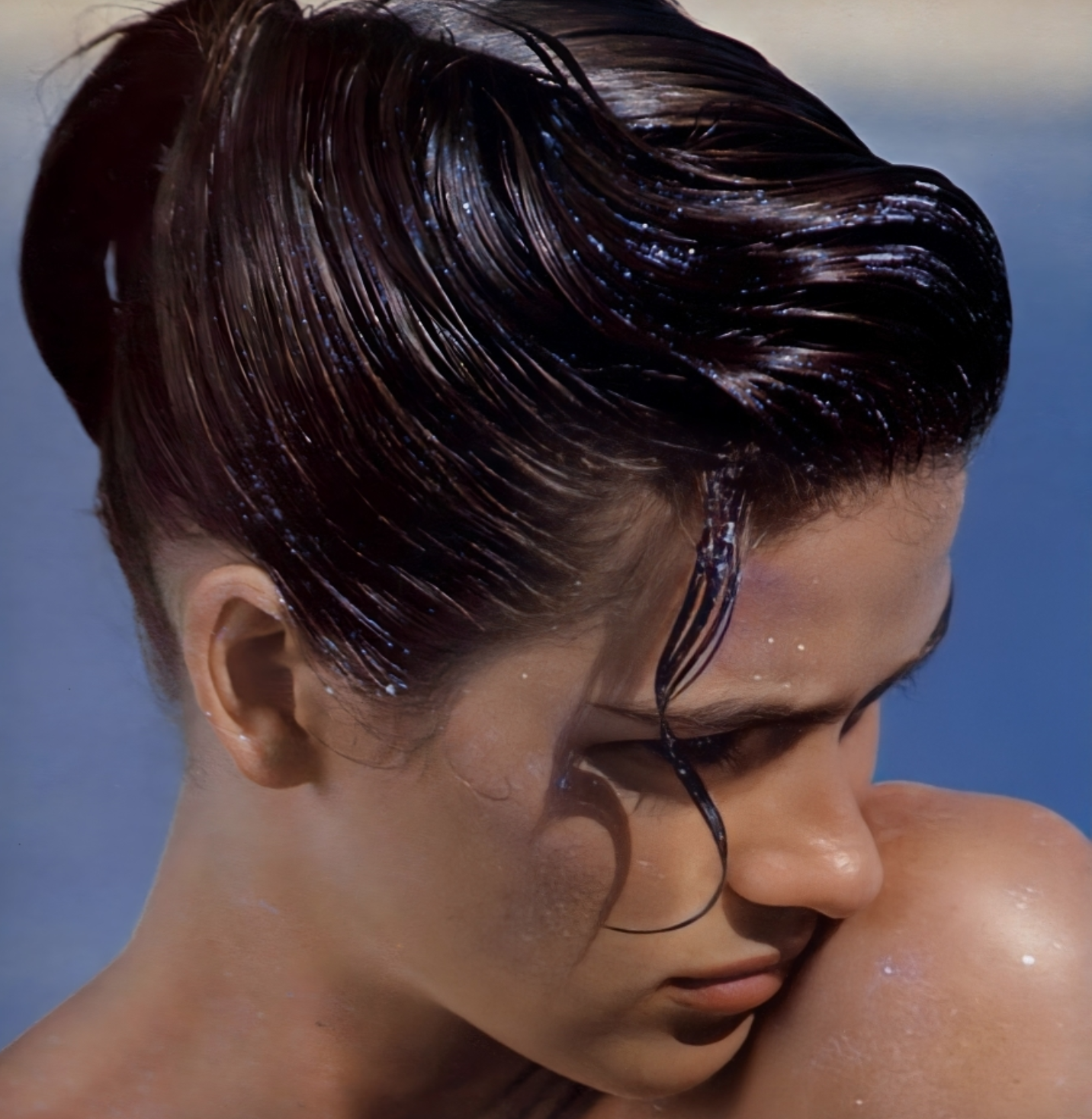
Gia Carangi photographed by Andrea Blanch, 1981
The World Looked Away
A 1982 Cosmopolitan cover, shot by the legendary Francesco Scavullo, was her last chance. The track marks on her arms were hidden, her hands tucked behind her back. The photos were beautiful, but the light in her eyes had faded. "What she was doing to herself finally showed in the pictures," an assistant later recalled.
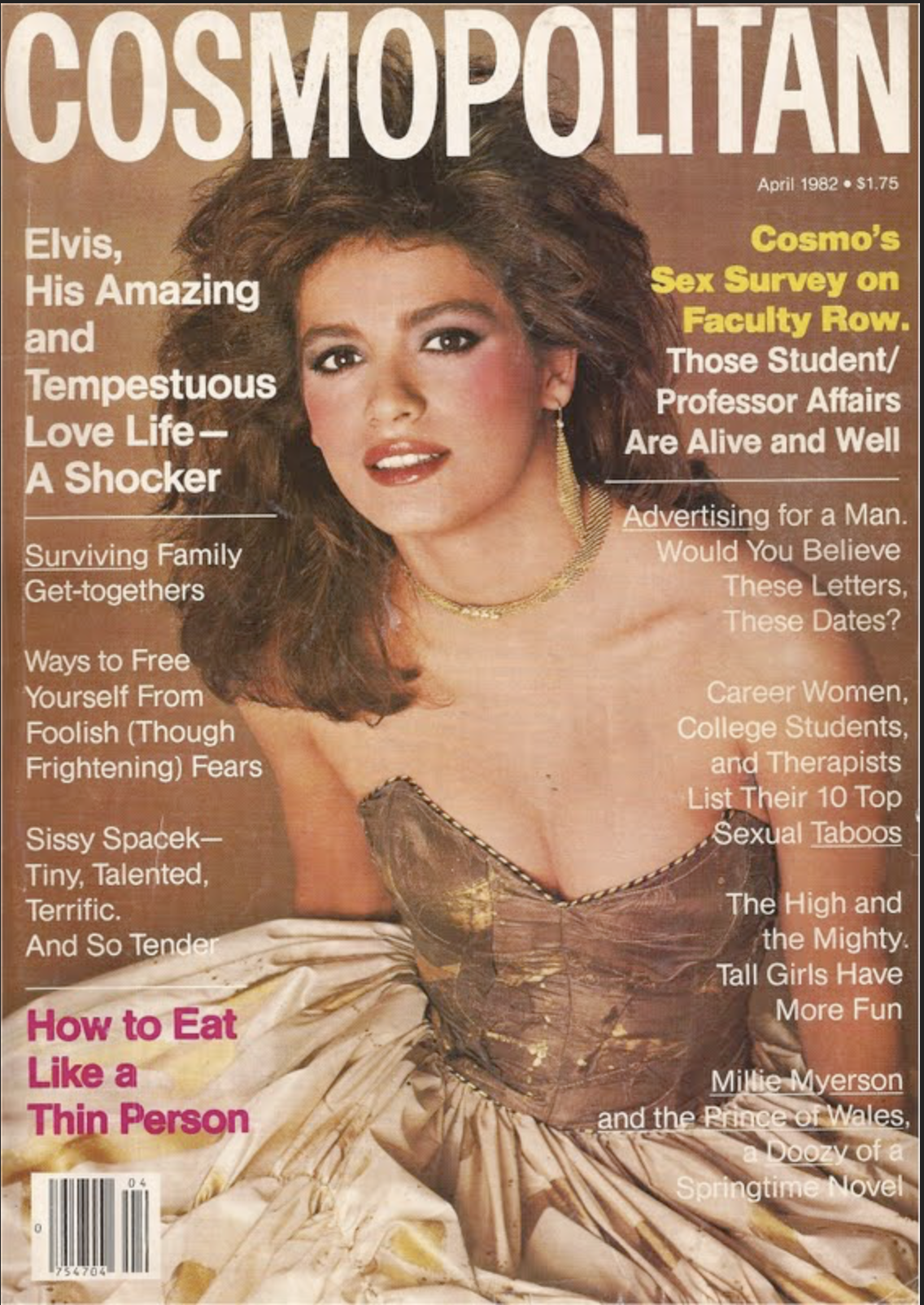
Gia Carangi photographed by Francesco Scavullo, 1982, for April Cosmopolitan US
Then came the sickness. A terrifying, unnamed illness that swept through the shadows. Gia knew, long before the doctors would admit it, that she had AIDS. She was one of the first famous women to be diagnosed with HIV, and she died in a world still grappling with fear and ignorance.
The same industry that once worshiped her now treated her like a pariah.
A Quiet End
There were no press releases. No tearful tributes from designers. No flood of flowers from famous friends.
Her funeral was small. The fashion world didn't come.
In the end, it was just her and her mother, Kathleen. Their relationship had been fraught with guilt and unspoken resentments, but it provided a final, fleeting moment of peace. Kathleen filled her hospital room with yellow roses, held her hand, and stayed. Because in the end, that was all Gia ever really wanted: someone to see her pain and stay anyway.
The Legacy of a Firestarter
Joe Marvullo photographer, Gia