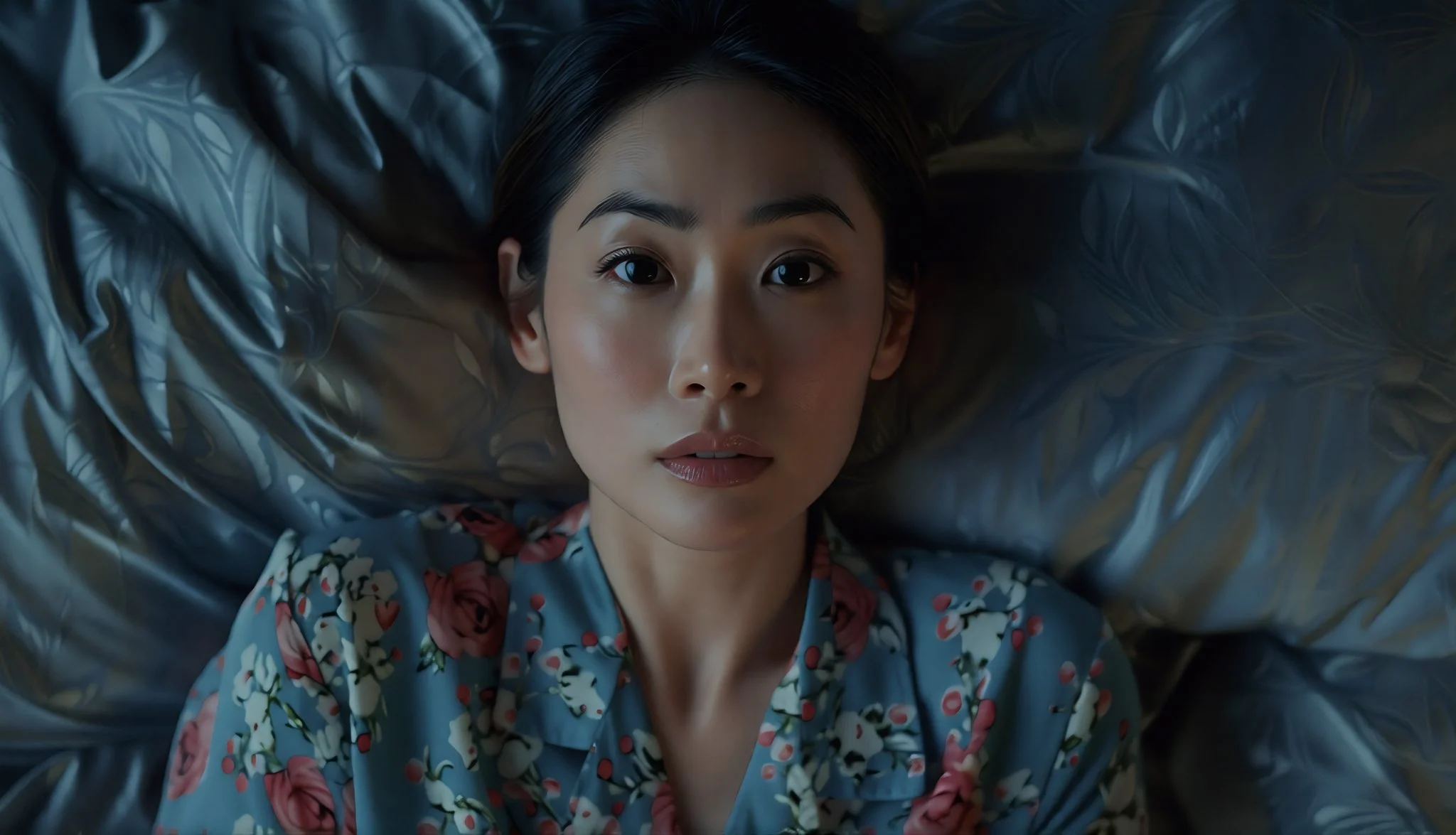
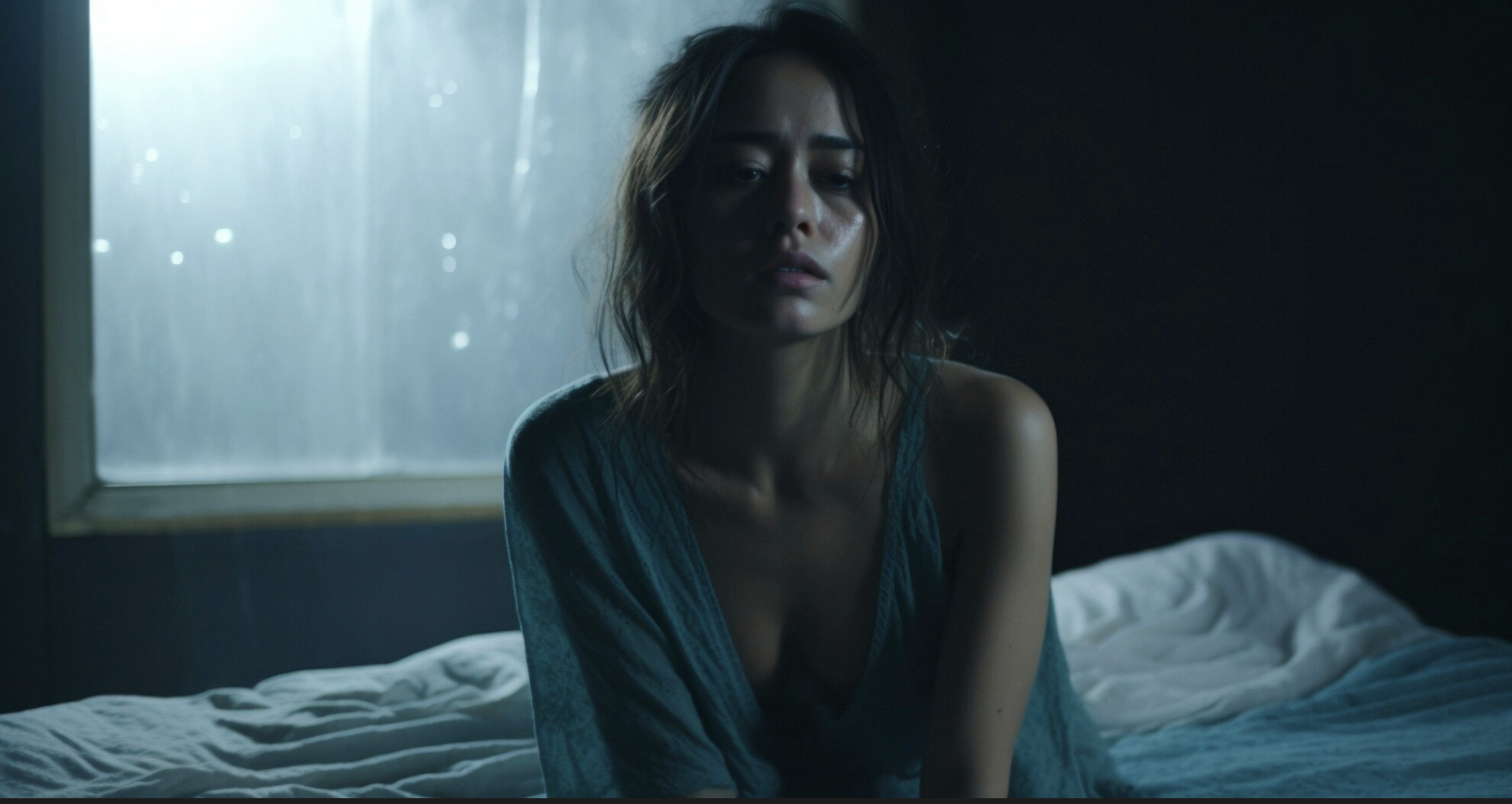
Forget survival guides. This is not about surviving; it is about conquering. This is about reclaiming the night, one defiant act at a time. The research backs our rebellion studies show that 75 to 85% of postmenopausal women experience vasomotor symptoms, and 56% report ongoing insomnia during perimenopause (Baker, 2018). We are not alone in this fight.
Seize the Cold: This is a fight against an internal inferno. Strip down. Throw open a window in the dead of winter. Let the cold air kiss your skin. This is not about comfort; it is about reclaiming your territory from the fire that estrogen once kept at bay.
Shed Your Skin: Those synthetic fabrics are a prison. Ditch them. Adorn yourself in natural fibers, cotton, linen, and silk. Your skin needs to breathe as it wages its nightly war against the temperature dysregulation documented by science.
Starve the Saboteurs: Caffeine, alcohol, sugar, they are collaborators with the chaos. Cut them out. This is not deprivation; it is a strategy. You are sharpening your weapons against the neurochemical storm.
Move with Defiance: Exercise is not a chore; it is an exorcism. Walk, run, dance, stretch. Expel the restless energy from your limbs. However, do it on your own terms, not in some frantic, last-ditch effort to exhaust yourself into submission.
Moreover, when the battle feels unwinnable, seek reinforcements. Find a doctor who speaks your language, who sees your struggle not as a symptom to be managed but as a reality to be met with the full force of medical science. Hormone therapy is not a crutch; it is ammunition. Multiple studies demonstrate that estrogen replacement therapy improves sleep quality, facilitates sleep onset, and reduces nighttime wakefulness (Lee et al., 2019; Cintron et al., 2017). Do not let the whispers of stigma silence your demand for it.
The Sisterhood of the Night
Look into the darkness. We are here. We are in every city, on every continent. We are the women you see every day, the ones running boardrooms, raising families, creating art, living lives of quiet strength. Moreover, at 2 a.m., we are an army, a legion of the sleepless, bound by this shared, sacred rite of passage.
This is not a party. It is an uprising. It is the moment we confront the raw, untamed power of our own bodies. It is a testament to resilience forged in fire and darkness. We are not broken. We are being reborn. So the next time you are thrown from your sleep into the electric hum of the night, know this: you are not alone. The uprising is underway. Moreover, you are one of its warriors.
References
Baker, F. C. (2018). Sleep and sleep disorders in the menopausal transition. Sleep Medicine Clinics, 13(3), 443–456.
Cintron, D., Lipford, M., Larrea-Mantilla, L., Spencer-Bonilla, G., Lloyd, R., Gionfriddo, M. R., ... & Murad, M. H. (2017). Efficacy of menopausal hormone therapy on sleep quality: systematic review and meta-analysis. Endocrine, 55(3), 702–711.
Lee, J., Han, Y., Cho, H. H., & Kim, M. R. (2019). Sleep disorders and menopause. Journal of Menopausal Medicine, 25(3), 172-177.
North American Menopause Society. (2017). The 2017 hormone therapy position statement of The North American Menopause Society. Menopause, 24(7), 728–753.