The Quiet Science of Aging Well: Seven Seeds That Still Know What to Do
No one marks the moment it begins. There’s no announcement when collagen production slows, no calendar notice that your joints will feel different on cold mornings, or that your skin, once so forgiving, will start to tell the truth a little faster. Aging, for most women, arrives quietly. First, as curiosity. Then, as questions.
Why does recovery take longer now? Why does elasticity feel harder to hold onto? And why does everything in wellness culture seem to scream urgency; fix this now, reverse that immediately, instead of offering understanding?
What’s often missed: your body still knows how to restore itself. Aging is not loss, but a changing balance: fewer resources, more challenges, and new opportunities for support.
And sometimes, the most powerful interventions aren’t new at all.
Collagen production gradually slows with age as degradation outpaces synthesis
Collagen is frequently framed as something we “lose,” as if it vanishes overnight. In reality, collagen is constantly being synthesized and degraded. What changes with age is the balance.
Inflammation speeds up degradation. Hormonal shifts alter production. Oxidative stress interferes with repair. By our forties and fifties, collagen synthesis simply can’t keep up with constant wear and tear.
That imbalance shows up everywhere:
Skin that bruises more easily
Joints that feel less cushioned
Tissues that recover more slowly
The solution isn’t force. It’s cooperation. Certain nutrients don’t just support collagen; they speak directly to the cellular machinery responsible for rebuilding it. And some of the most effective sources come in the smallest packages. Seeds.
Why Seeds Matter More Than Powders
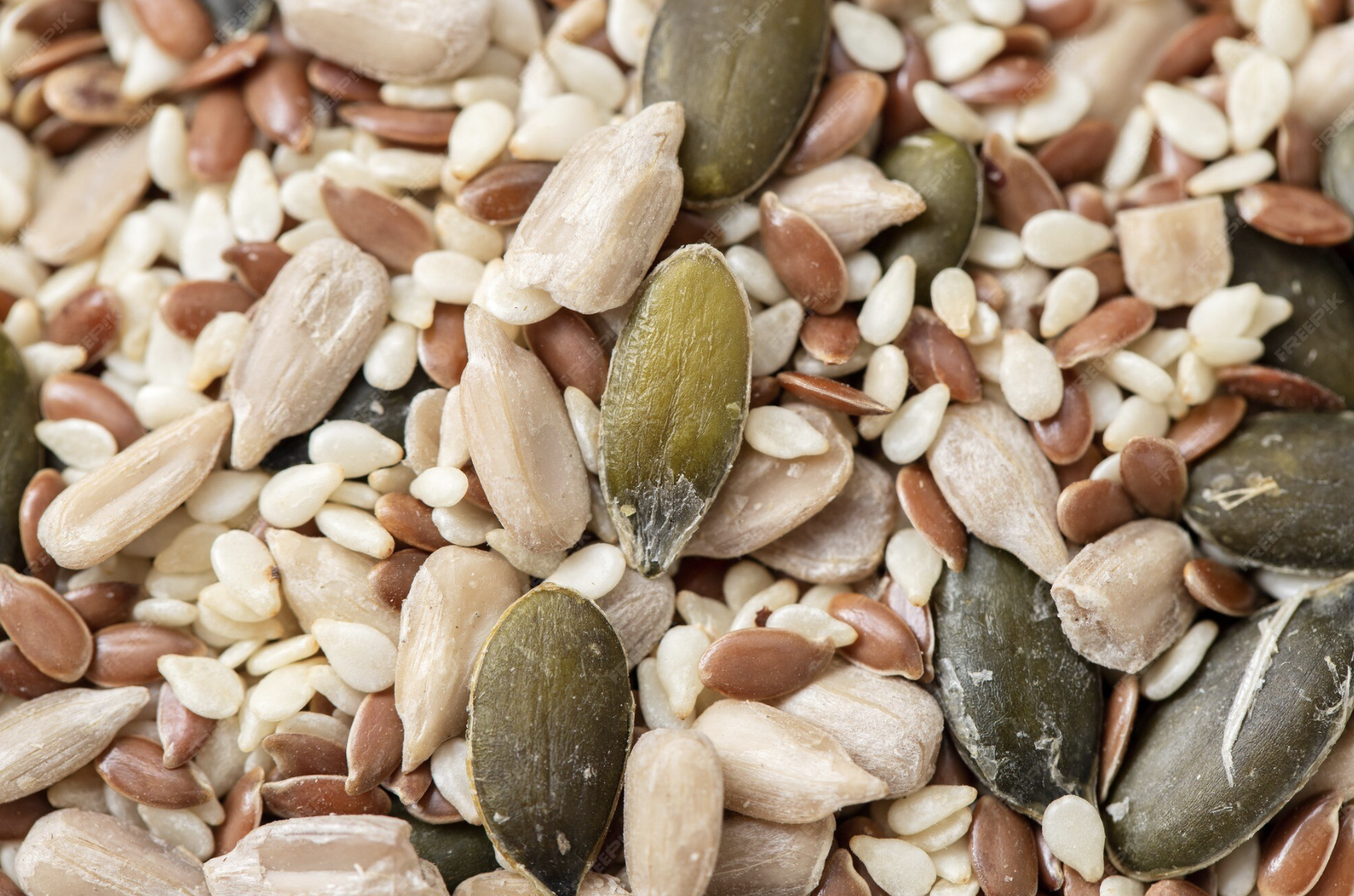
Seeds aren’t shortcuts. They don’t promise overnight miracles or dramatic transformations by next Tuesday. What they offer instead is biological familiarity.
Each seed contains a precise mix of amino acids, minerals, fatty acids, and polyphenols; the same compounds your body uses to maintain connective tissue, protect cell membranes, and regulate inflammation.
See seeds not as anti-aging miracles, but as partners in keeping your body’s natural harmony. They don’t fight your biology; they reinforce its steady strength.
Seven Seeds That Support Collagen From the Inside Out
Flaxseeds
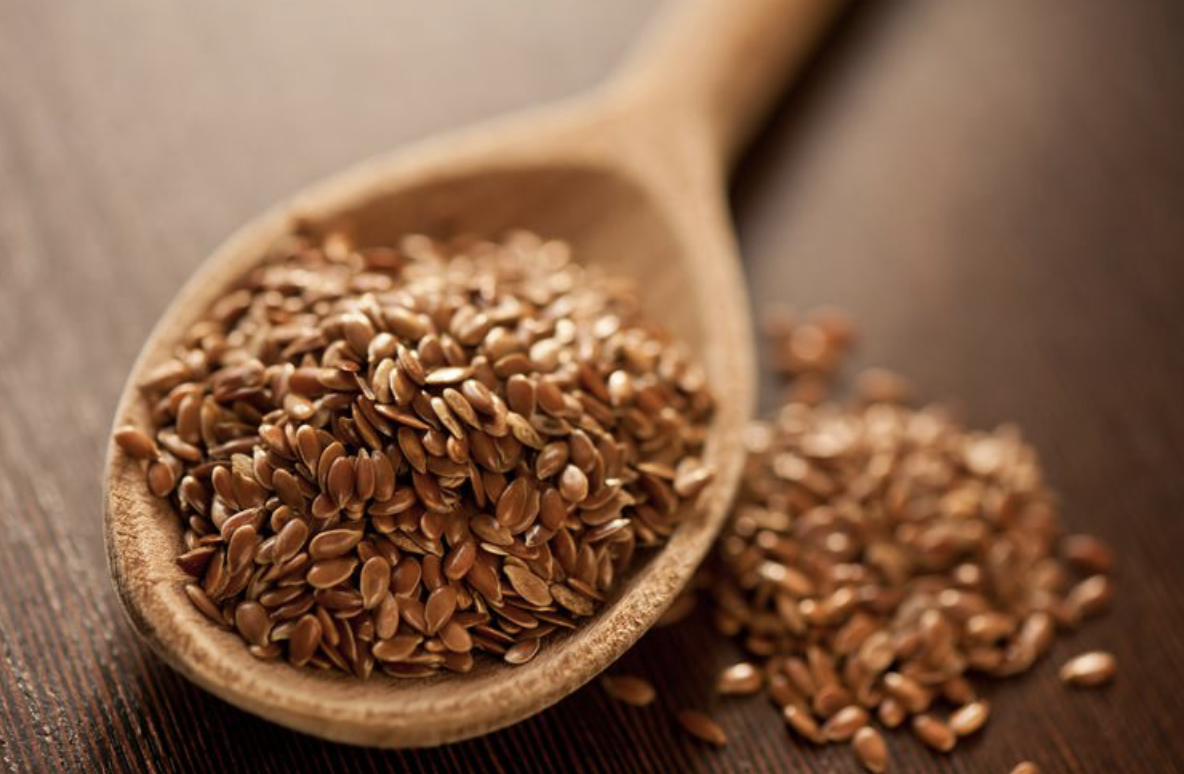
Flaxseeds are rich in lignans, plant compounds that support hormonal balance and help reduce oxidative stress. This matters more than we’re often told.
Estrogen supports maintaining skin thickness and elasticity, and as levels fluctuate, collagen integrity can suffer. Flax doesn’t replace hormones; it helps soften the extremes. Not dramatic. Just steady.
Chia Seeds
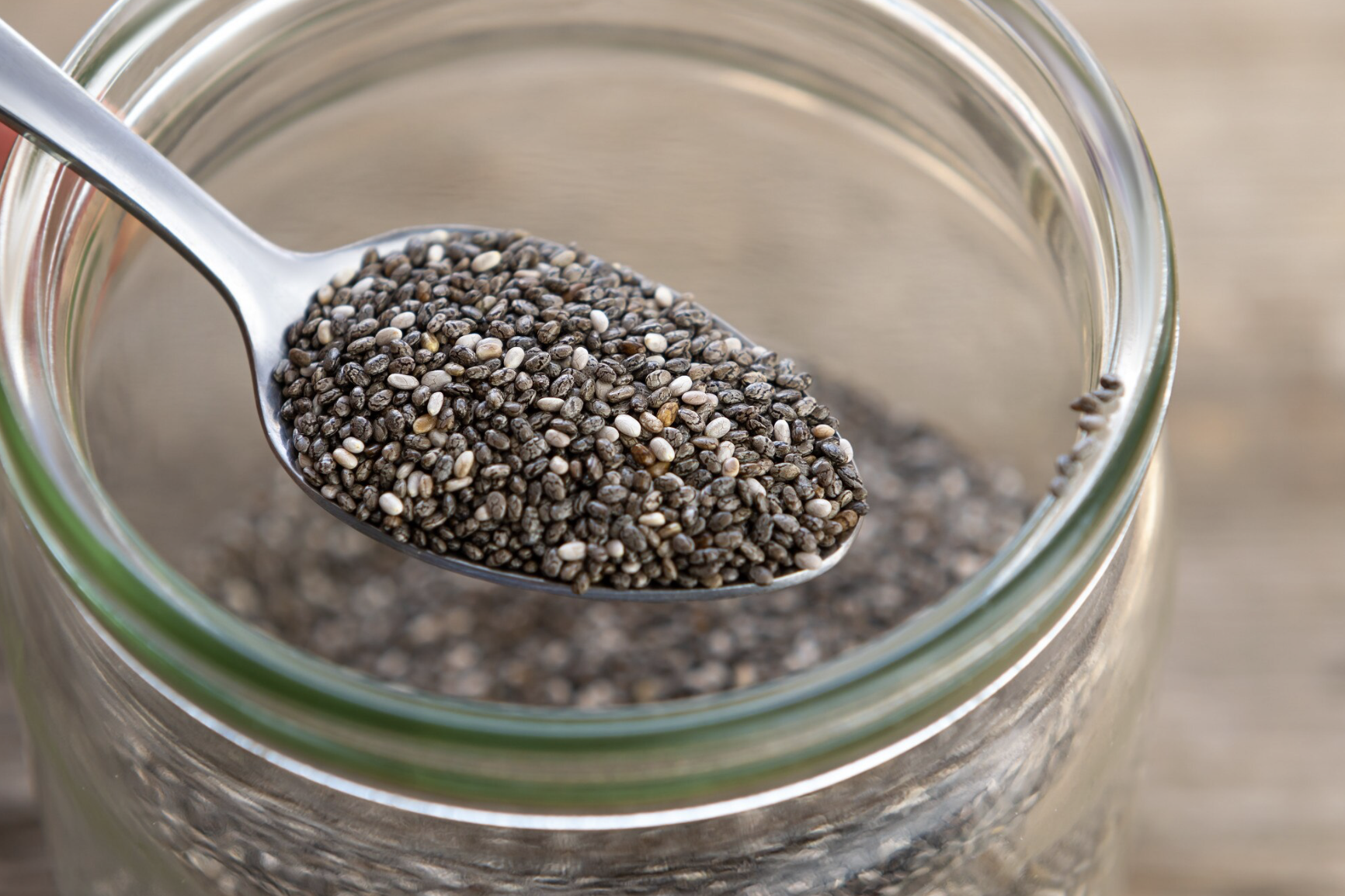
Chia seeds are dense with omega-3 fatty acids, which strengthen cell membranes and reduce low-grade inflammation. Healthy membranes allow nutrients to move efficiently into cells and waste products to move out of cells. When that flow improves, collagen fibers tend to fare better. Elasticity, it turns out, starts long in front of the mirror.
Pumpkin Seeds
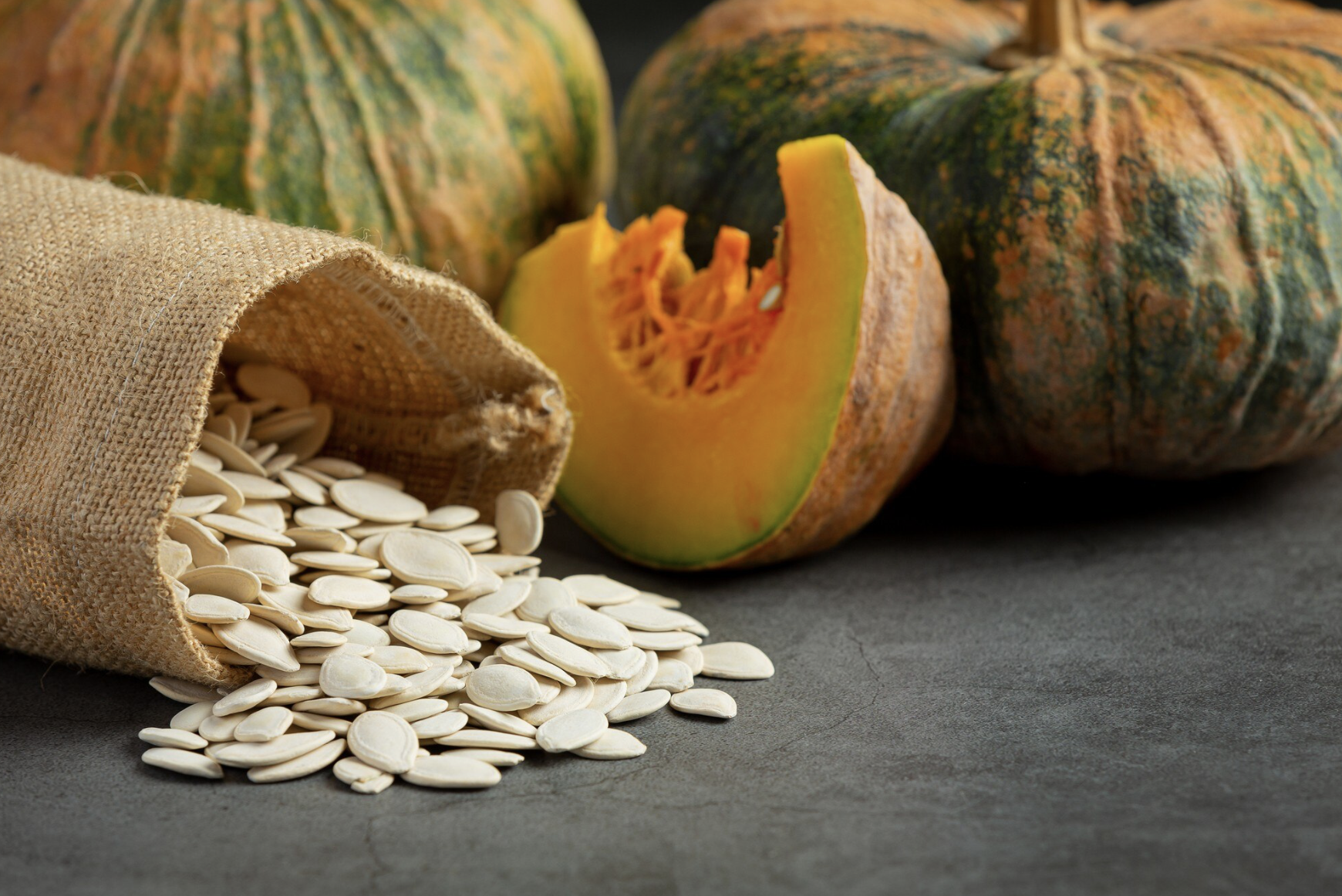
Zinc rarely gets the spotlight, but collagen synthesis depends on it. Pumpkin seeds provide a plant-based source of this mineral, supporting tissue repair, immune function, and wound healing. Without adequate zinc, collagen production slows, no matter how many supplements are stacked on the counter. Sometimes what’s missing isn’t motivation. It’s minerals.
Sesame Seeds
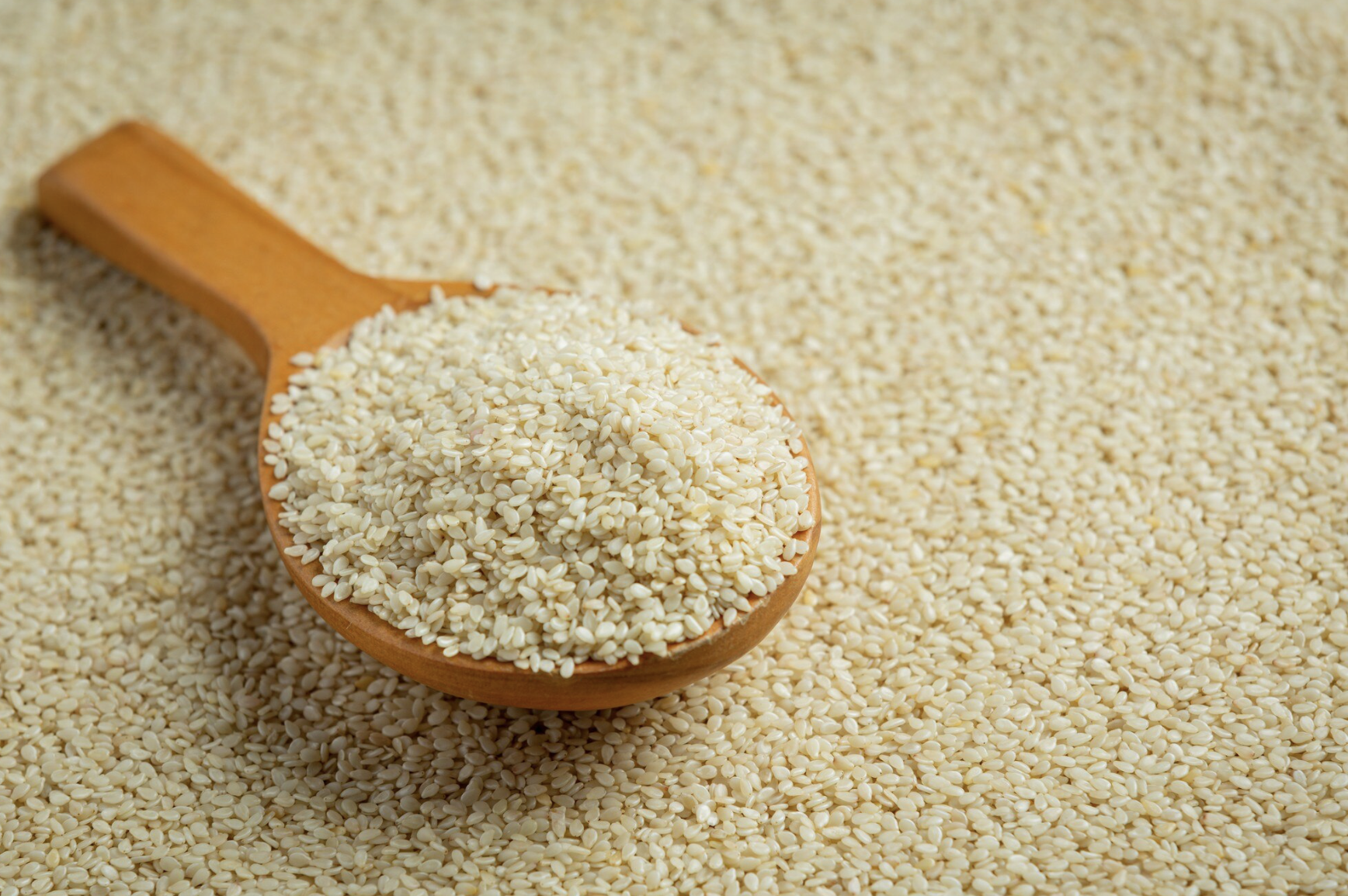
Sesame seeds contribute copper, calcium, and magnesium, elements involved in supporting the extracellular matrix, the framework that holds collagen fibers in place.
Collagen without structure is fragile. These minerals help give it form.
Sunflower Seeds
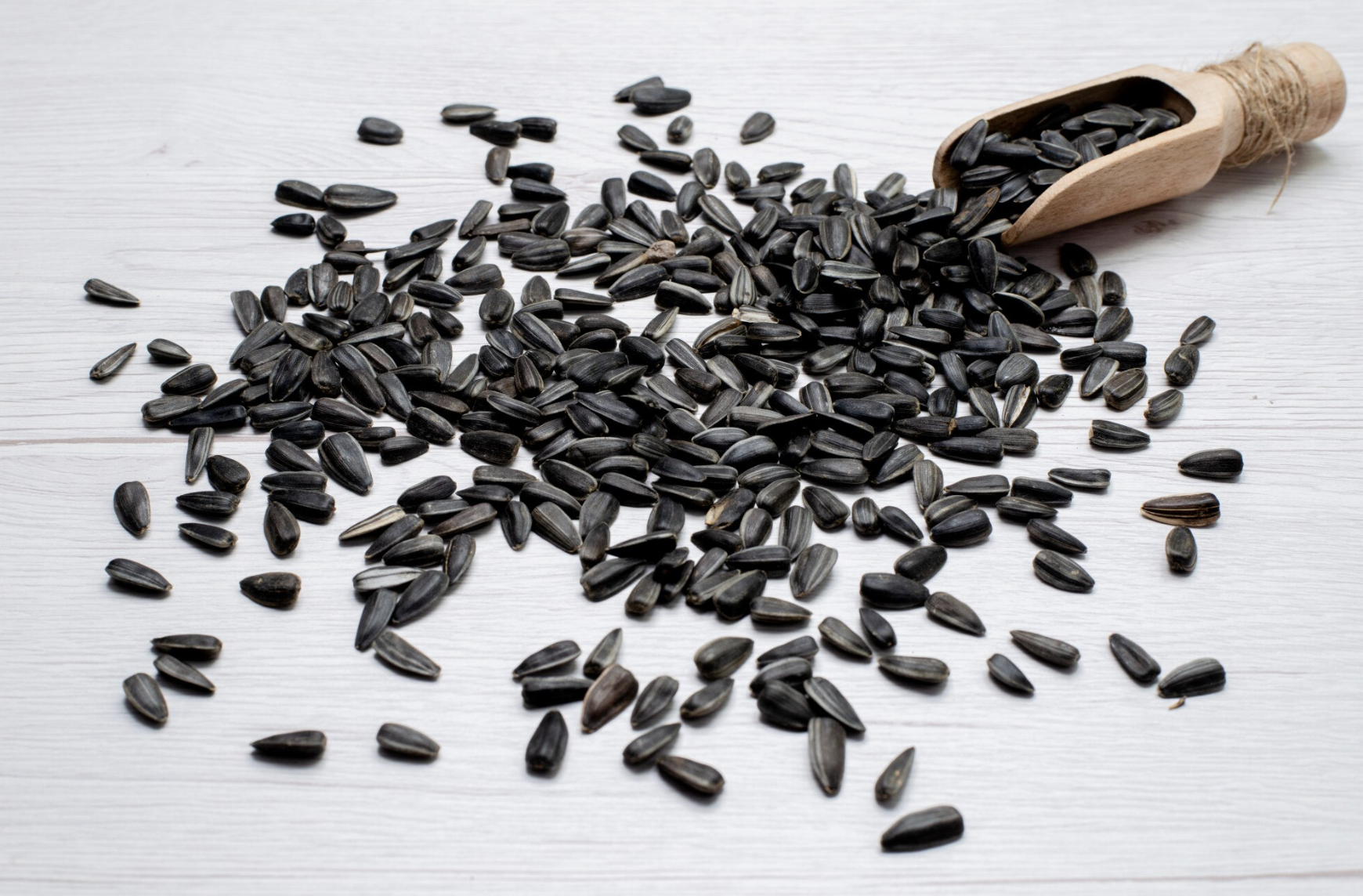
Vitamin E functions as a protective buffer, shielding collagen from oxidative damage caused by UV exposure, pollution, and metabolic stress. Preserving existing collagen is as important as creating new collagen. Sunflower seeds quietly do both.
Hemp Seeds
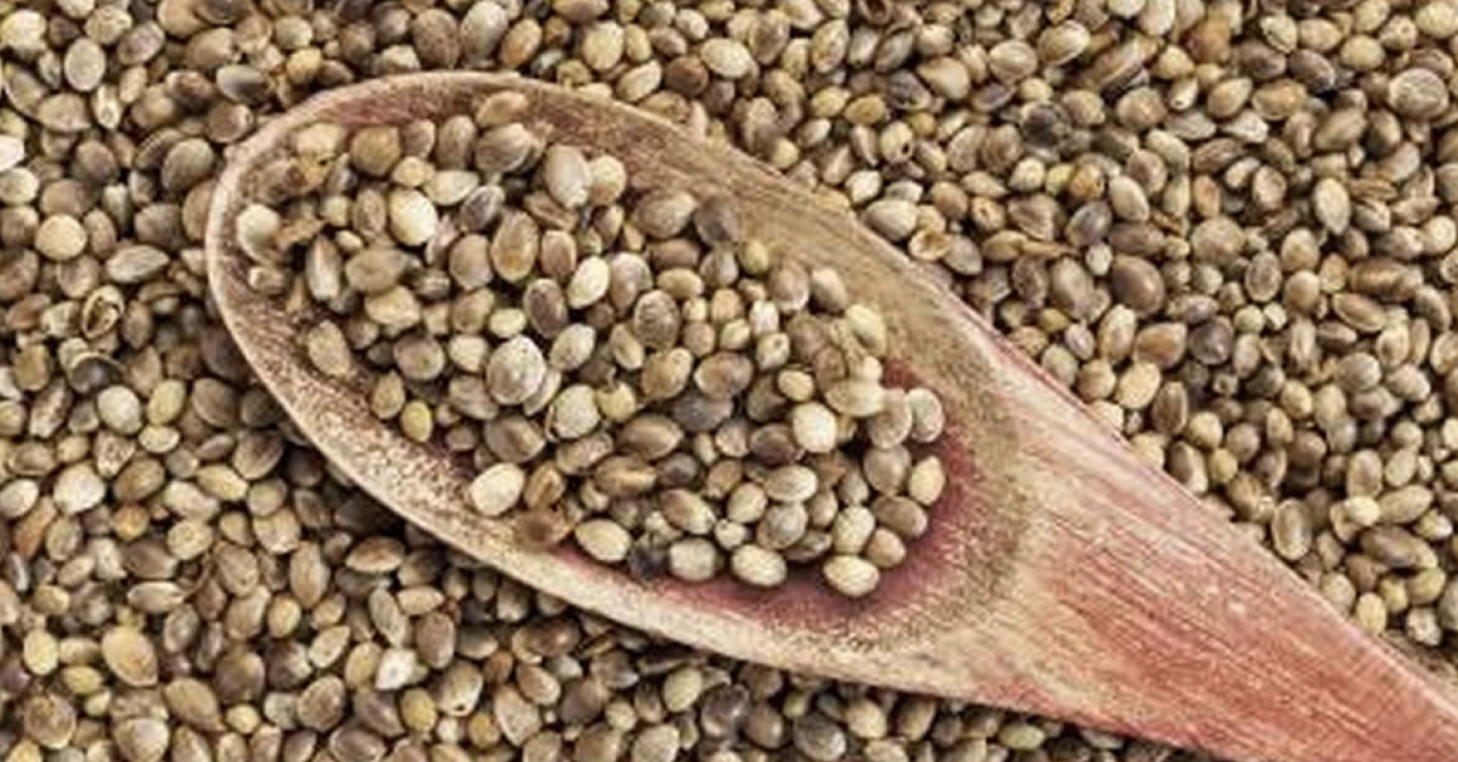
Hemp seeds contain all nine essential amino acids, including glycine and proline, the building blocks of collagen. Your body can’t manufacture what it doesn’t have. Hemp supplies the materials.
Pomegranate Seeds
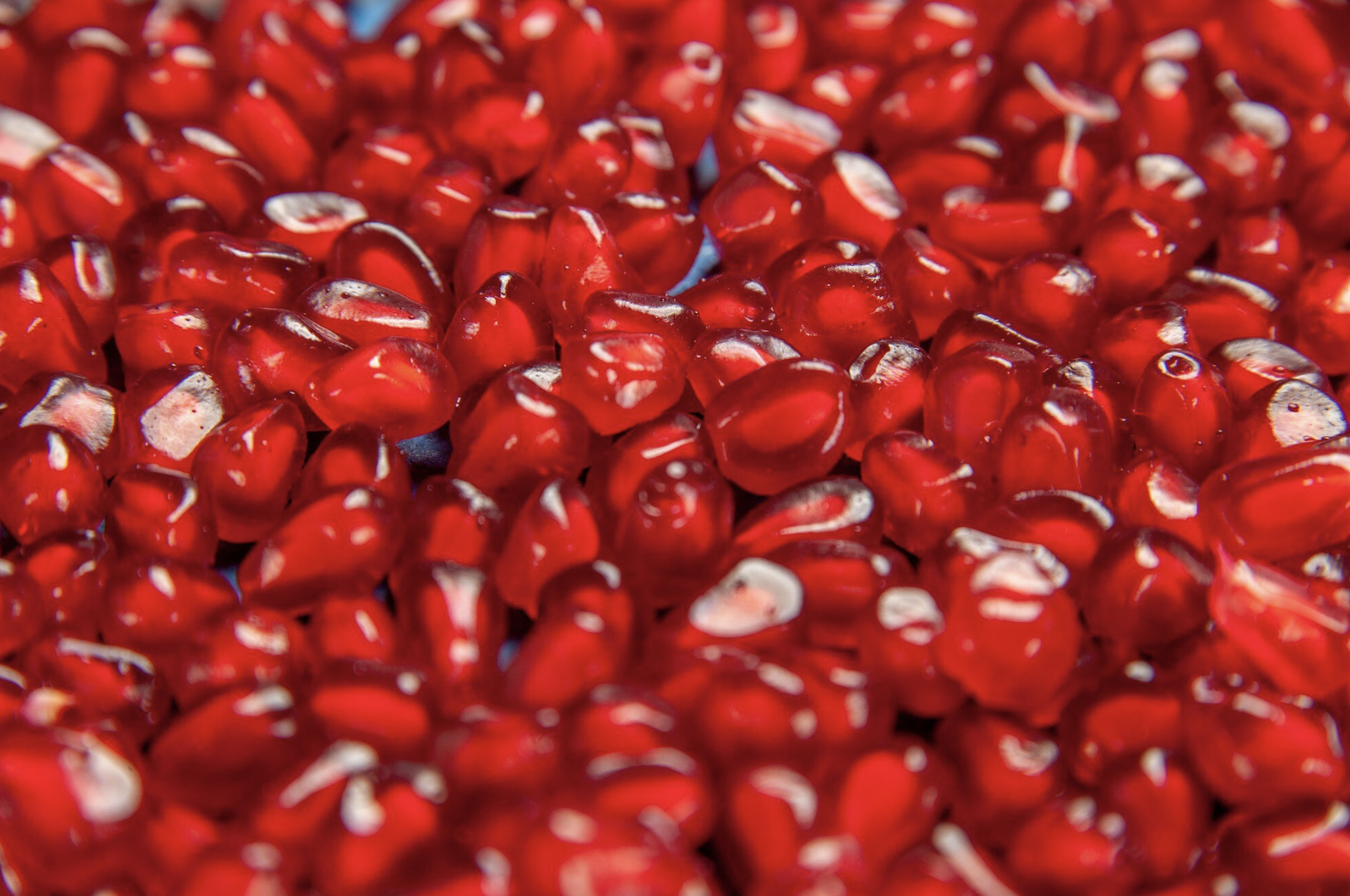
Pomegranate polyphenols are studied for their antioxidant properties, which may support healthy cellular function. They don’t force regeneration. They create conditions that increase the likelihood of it happening.
Timing, Combination, and the Long View
Nutrition isn’t simply about what you eat; it’s about when and how. Seeds can be incorporated at any time of day; consistency matters more than timing, when digestion and nutritional absorption are more efficient, can support better utilization. Combining omega-rich seeds with mineral-dense ones improves synergy. Consistency matters more than quantity. This isn’t a cleanse. It’s a practice.
Aging Well Is Not a Battle
The language of “anti-aging” suggests opposition, as if time alone were the enemy. But longevity isn’t about resistance. It’s about stewardship. When you nourish your body with compounds, it recognizes amino acids, fatty acids, minerals, and antioxidants; you’re not turning back the clock. You’re strengthening the systems that have carried you this far.
These seven seeds won’t halt aging. They’ll help you age with your core systems intact. That’s the point. If this resonates, explore the A Woman community for more practical, science-backed conversations about living well now.
Source:
Collagen — Synthesis & Aging
(Harvard Health Publishing, collagen and aging overview) [thehealthsite.com]
Flaxseeds — Lignans & Hormonal Balance
Lignans act as phytoestrogens that modulate estrogen activity and offer antioxidant protection. [advancestudy.org]
Flaxseed lignans convert into enterolignans that interact with estrogen receptors. [biologyinsights.com]
Chia Seeds — Omega‑3 & Inflammation
Chia seeds are rich in omega‑3 fatty acids and antioxidants with anti‑inflammatory potential. [health.harvard.edu]
Meta‑analysis shows chia consumption may reduce CRP, an inflammation marker. [cambridge.org]
Pumpkin Seeds — Zinc & Collagen Synthesis
Nutritionists note zinc in pumpkin seeds supports tissue repair and collagen synthesis. [journee-mondiale.com]
Sesame Seeds — Minerals Supporting Extracellular Matrix
Sesame seeds are particularly rich in copper, magnesium, and other minerals. [nutrivore.com]
Detailed nutrition analysis confirms high copper content in sesame seeds. [Copper in...ness Today]
Sunflower Seeds — Vitamin E Protecting Collagen
Sunflower-derived vitamin E provides antioxidant protection and supports skin repair. [treeofasteria.com]
Sunflower seeds contain vitamin E and antioxidants that help protect skin from free radicals. [krishival.com]
Hemp Seeds — Amino Acids (Glycine, Proline)
Hemp seeds provide glycine, proline, and all essential amino acids. [vegfaqs.com]
Pomegranate Seeds — Polyphenols & Collagen Preservation
Pomegranates contain potent polyphenols with strong antioxidant activity. [mdpi.com]
Polyphenols (like ellagic acid) stimulate fibroblasts and protect collagen from enzyme-driven breakdown. [jevie.skin]