Her Body Is Not Betraying Her
It is evolving. And the system is struggling to keep up.

Between self-care culture and modern medicine, women now face a contradiction: the expectation to embrace self-acceptance conflicts with relentless pressure to constantly optimize themselves.
We are told to love ourselves as we are.
But we are also expected to optimize ourselves endlessly.
Sleep better. Eat cleaner. Heal your hormones. Track your protein. Fix your gut. Reduce inflammation. Stay youthful, desirable, disciplined, and “well.”
With GLP-1 medications like Wegovy and Zepbound, weight loss has shifted beyond culture—becoming a pharmaceutical, political, and economic issue.

Instagram @valeriyamosina
Across the country, employers and public insurance plans are quietly struggling to absorb the cost of these medications. Some municipalities are reportedly reconsidering coverage altogether amid rising pharmacy spending. The debate is no longer simply about health. It is about who gets access to feeling better and who does not.
And, as usual, women are carrying the emotional weight of the conversation.
The Wellness Industry Built This Moment
For years, wellness culture has sold women the idea that health is both a moral responsibility and a personal brand.
Not just fitness.
Not just medicine.
An identity.
Wellness messaging often blurs health and appearance, making 'being healthy' a performance measured by discipline, beauty, and self-worth.
That is part of why GLP-1 medications hit such a cultural nerve.
These drugs do not just promise smaller bodies. They promise relief:
relief from food noise
relief from shame
relief from years of trying and failing
relief from the exhausting labor of constantly managing the body
For many women, that feels revolutionary.
These breakthroughs, however, come at a high cost—financial and emotional.
The Insurance Industry Is Panicking
The healthcare system was not built for millions of people to take highly effective and highly costly weight-loss drugs long term.
For employers, especially public employers operating on fixed budgets, the math becomes difficult very quickly:
Treatment can cost thousands per year
Patients may need medication indefinitely.
The financial savings from preventing future disease can take years to materialize.
So insurers are starting to ask uncomfortable questions:
Who qualifies?
How long should coverage last?
What happens if someone regains the weight after stopping?
Behind the spreadsheets is a deeper fear:
that obesity treatment is shifting from a temporary intervention to lifelong care.
Recognizing obesity as chronic and biological, rather than just behavioral, fundamentally shifts the cultural approach to weight.
WeightWatchers May Have Seen the Future Coming
This is partly why companies like WW (WeightWatchers) are reinventing themselves.
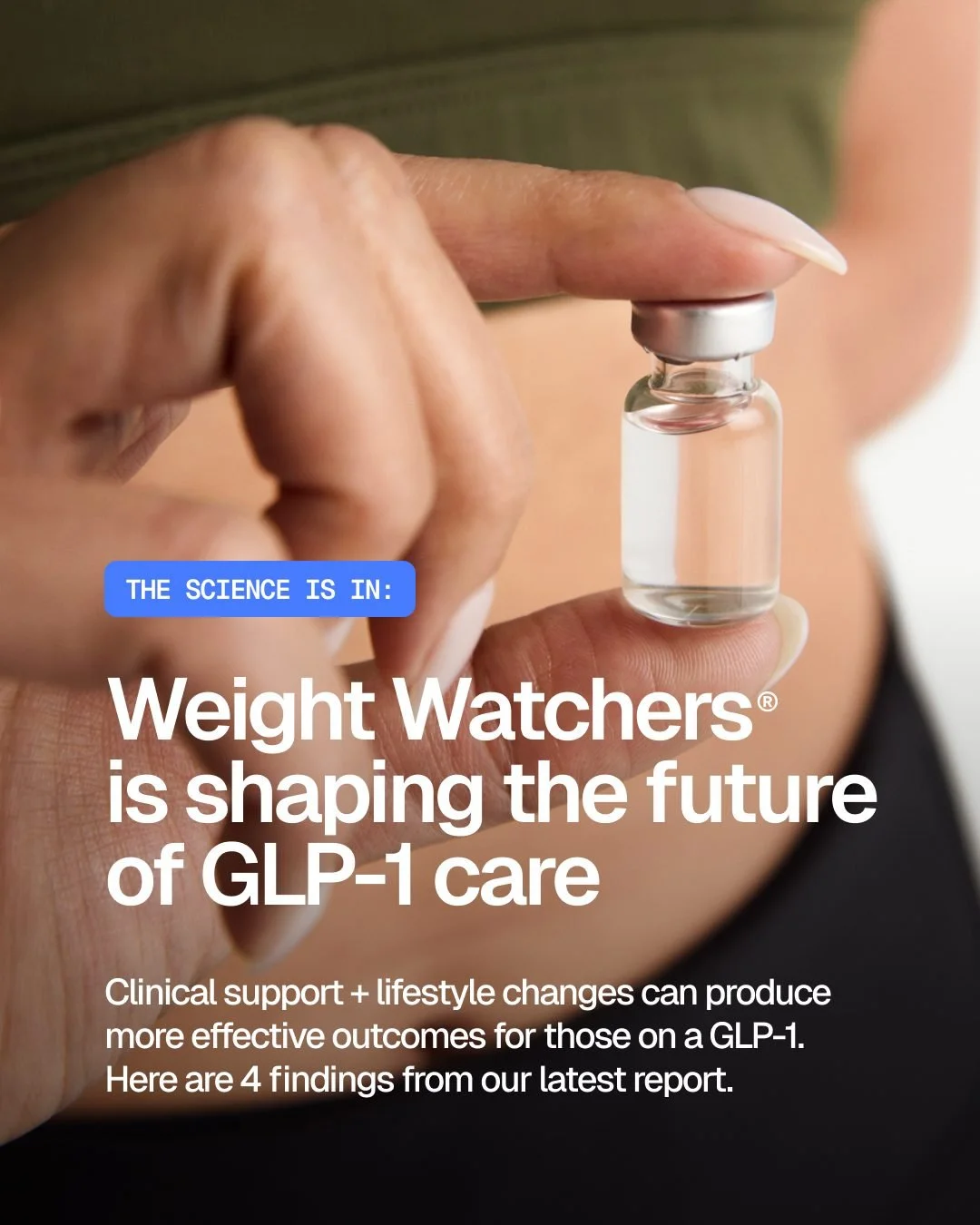
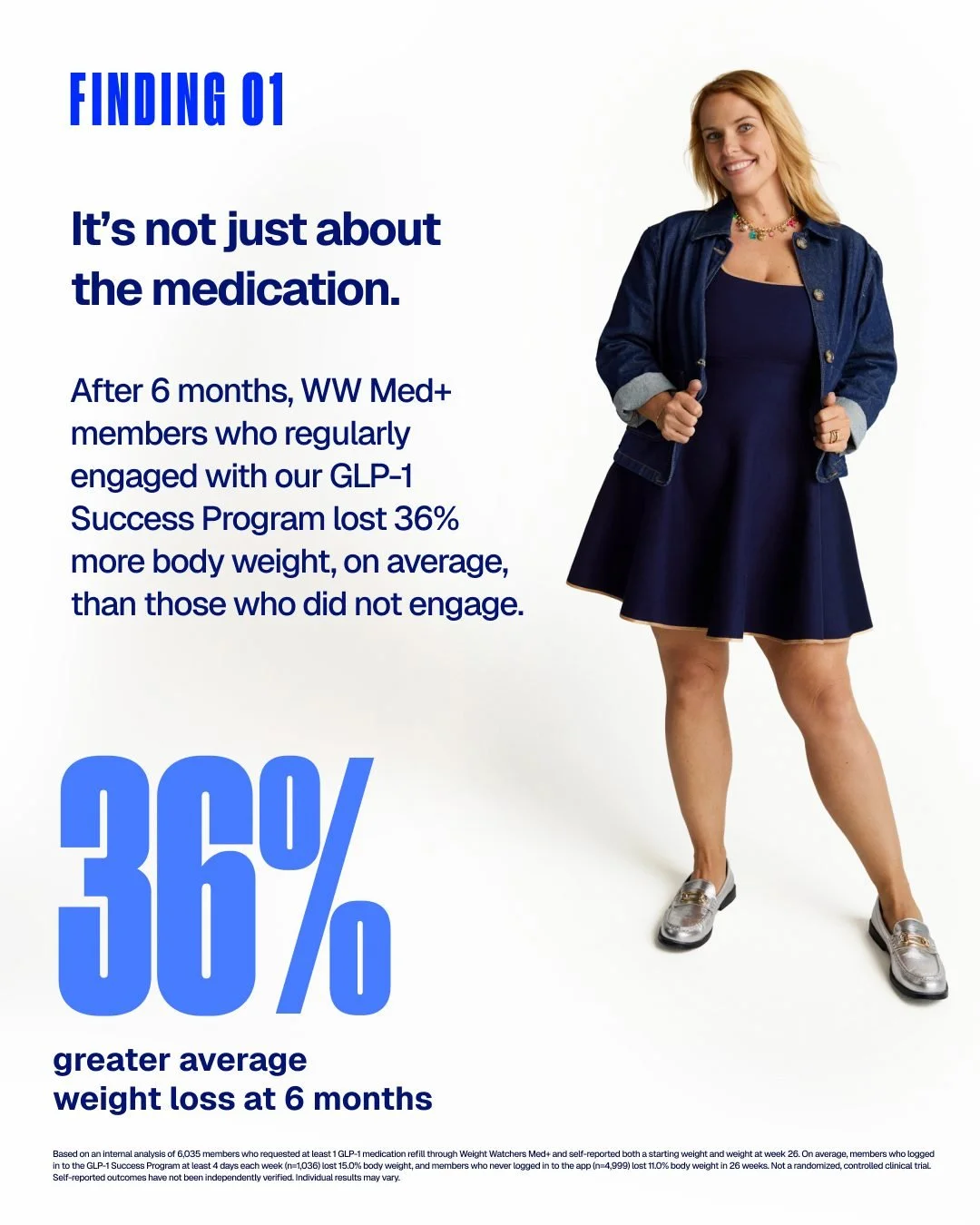
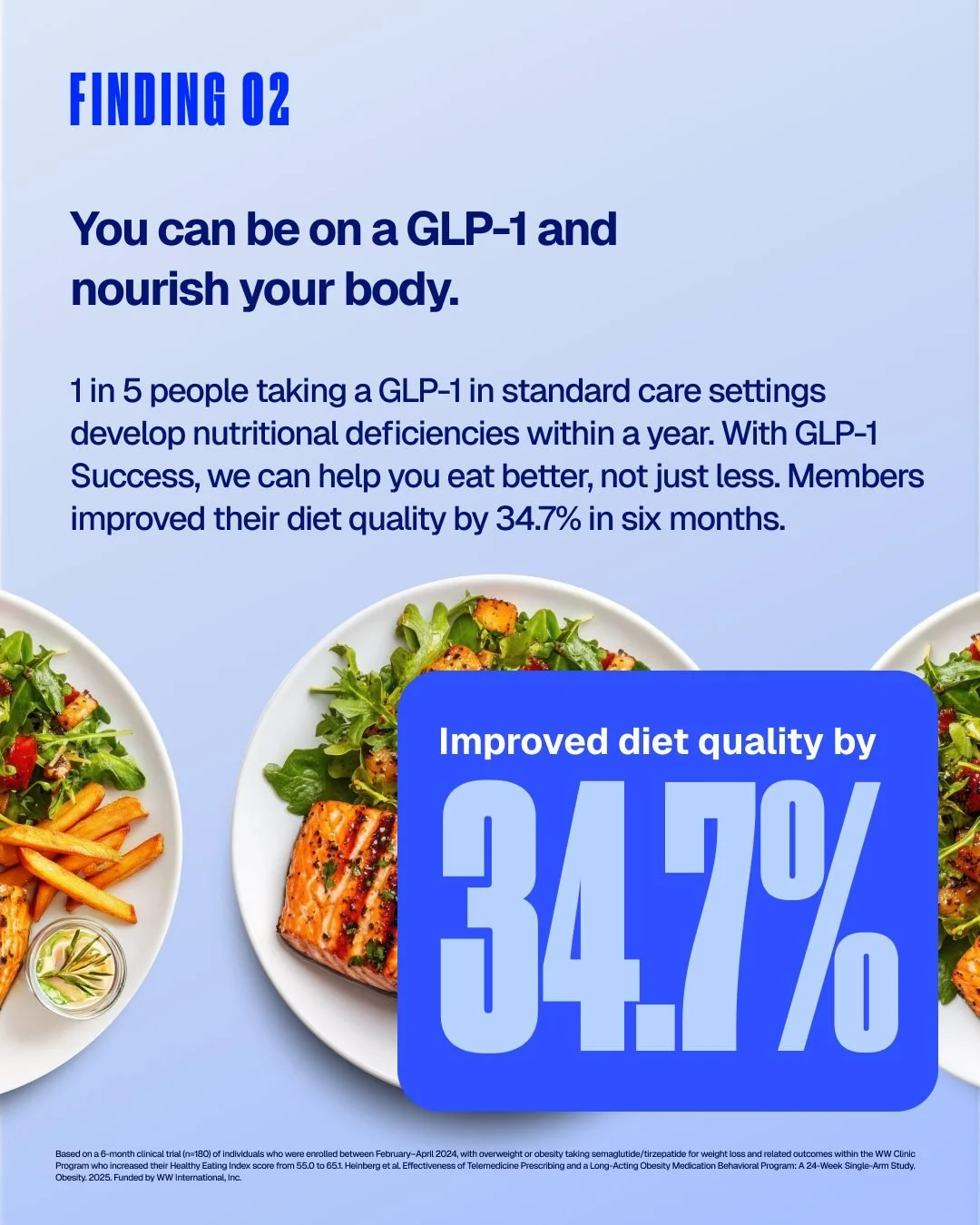
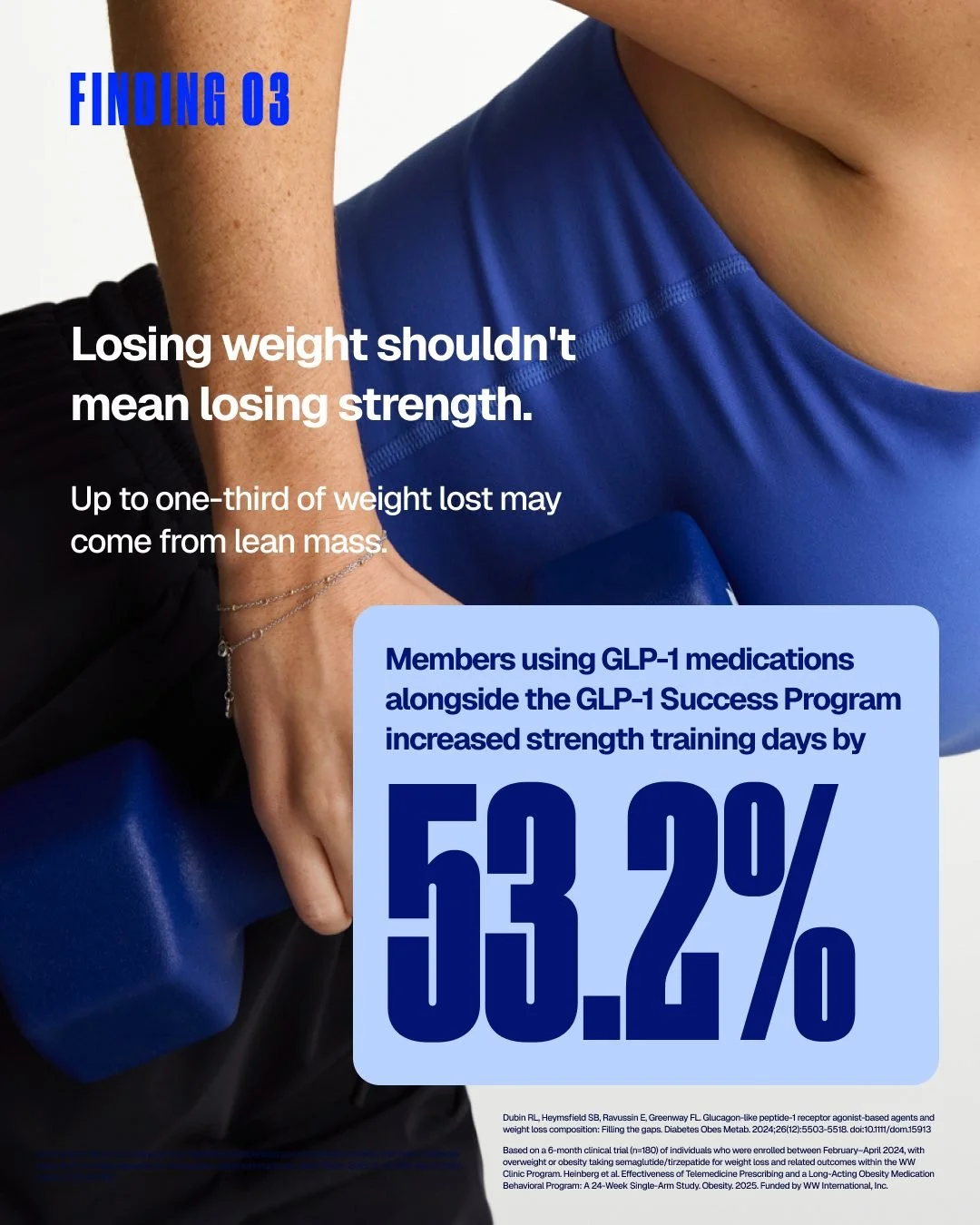
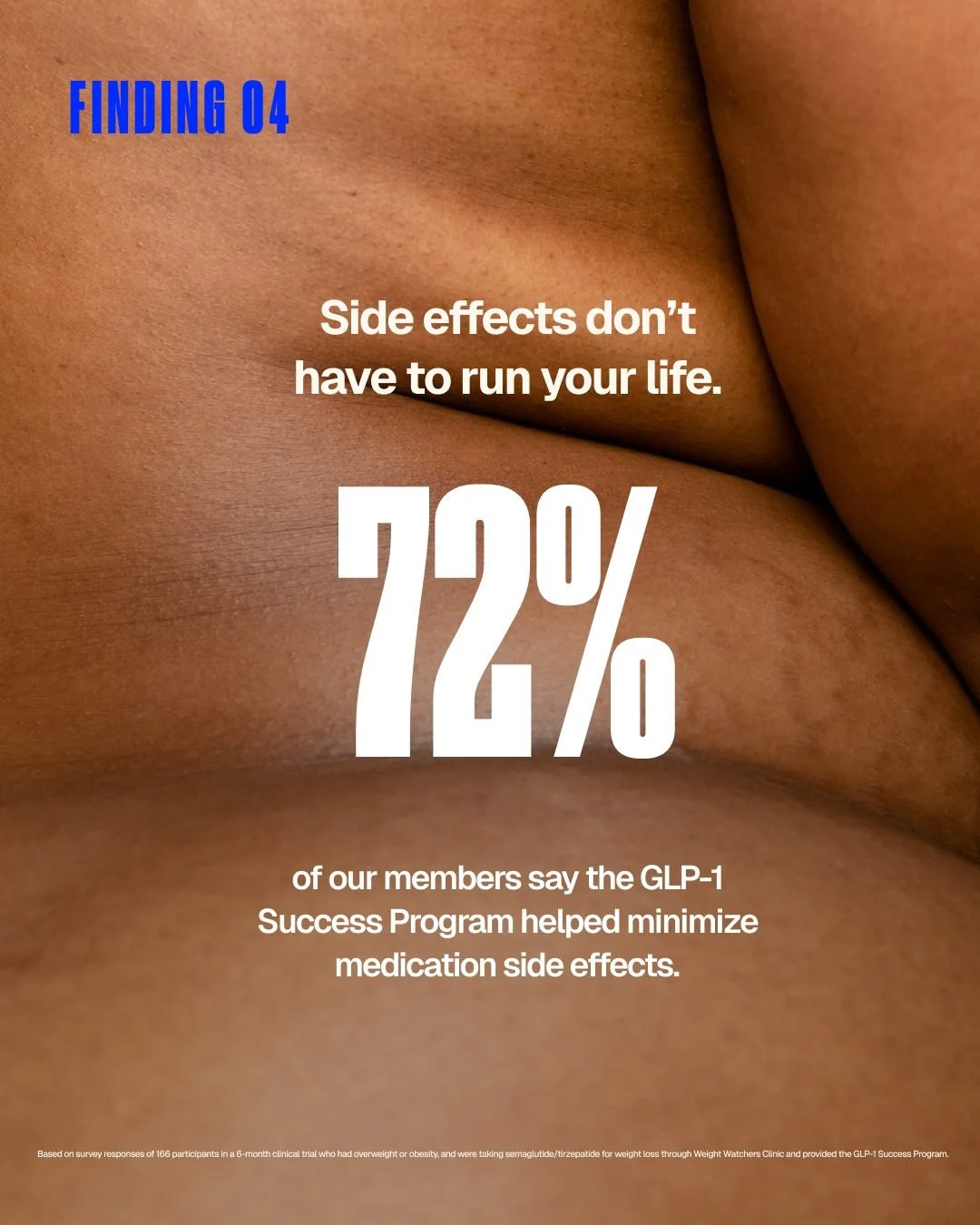
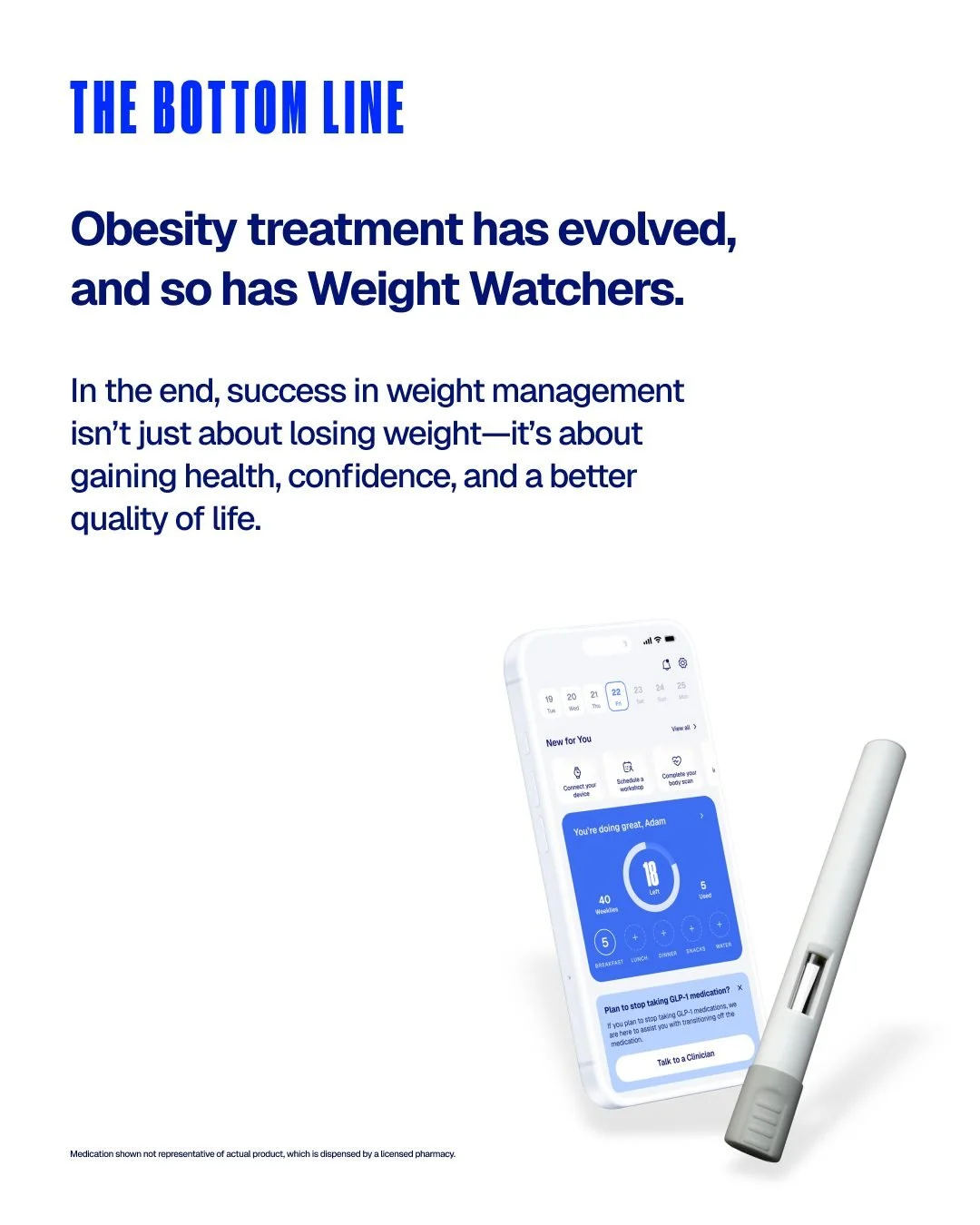

Once associated with calorie counting and weekly weigh-ins, WW has quietly moved into tele-health and medical weight management. Instead of competing with GLP-1 medications, platforms like this are increasingly integrating with them.
The future may not look like:
“Take this injection forever and hope for the best.”
It may look more like:
medication
behavioral coaching
nutrition support
mental health care
long-term maintenance plans
insurance coverage tied to measurable outcomes
In other words, wellness companies may become the emotional infrastructure surrounding pharmaceutical care.
This says a lot about modern healthcare. Medicine prescribes, but often doesn't support.
Women want sustainable lives, not just smaller bodies.
The Luxury Problem No One Wants to Admit
There is another uncomfortable truth here, too.
Wellness has increasingly become aspirational, something sold through aesthetics, exclusivity, and optimization culture. Critics of the modern wellness industry argue that health itself is often marketed as a luxury experience rather than a basic human right.
The woman with the private trainer, hormone specialist, organic groceries, meditation app, therapist, infrared sauna membership, and GLP-1 prescription becomes the image of “health.”
Meanwhile, millions of women are simply trying to survive:
working,
caregiving,
aging,
parenting,
healing,
Millions of women are simply trying to survive: working, caregiving, aging, parenting, healing, stretching their budgets to the breaking point, and caring for bodies exhausted by stress. This makes the insurance debate emotionally charged, with the haunting question: Will wellness become something only wealthy women can afford?
The Future of Women’s Health Will Likely Be Hybrid
The old wellness culture told women:
“You just need more discipline.” The new pharmaceutical culture risks saying: “You just need better drugs.”
The future likely blends medicine and behavior change: science backed by community, healthcare supported by genuine care, not new extremes.
science supported by the community,
healthcare supported by actual human care.
Not punishment.
Not perfection.
Not another impossible standard.
Just a more honest understanding of what women have known for years:
Health is never only physical.
It is emotional, financial, social, cultural, and deeply personal.
References & Source Material
On GLP-1 coverage and employer insurance costs
Reuters — Employer coverage for weight-loss drugs rises sharply, survey finds
CNBC — More U.S. employers are now covering GLP-1s for weight loss
Tradeoffs — GLP-1s Are Busting Employer Budgets. Some Are Getting Creative to Lower Costs.
Business Insider — She lost 100 pounds on Zepbound. Then her insurance cut her off.
On WeightWatchers and the shift toward integrated medical care
WeightWatchers Corporate — RxFlexFund Employer GLP-1 Coverage Model
WeightWatchers for Business — Employer Wellness & GLP-1 Support
Axios — WeightWatchers’ next act goes beyond points
MarketWatch — WeightWatchers expands GLP-1 offerings.
On women, wellness culture, and body politics
SAGE Journals — Wellness Culture and Women’s Health Identity
The Guardian — How wellness became a luxury lifestyle
SELF Magazine — SELF’s guidance on weight and health coverage
Axios — Women approaching menopause drive GLP-1 boom
Additional references
Business Insider — Oprah’s influence on modern weight-loss culture
HealthyWomen — Choosing health insurance if you’re living with obesity